






Free written scope consultation - allowances, timeline, and change-order rules on paper before a single trade is scheduled
Dvele Home Additions & ADU: The Austin Owner’s Guide
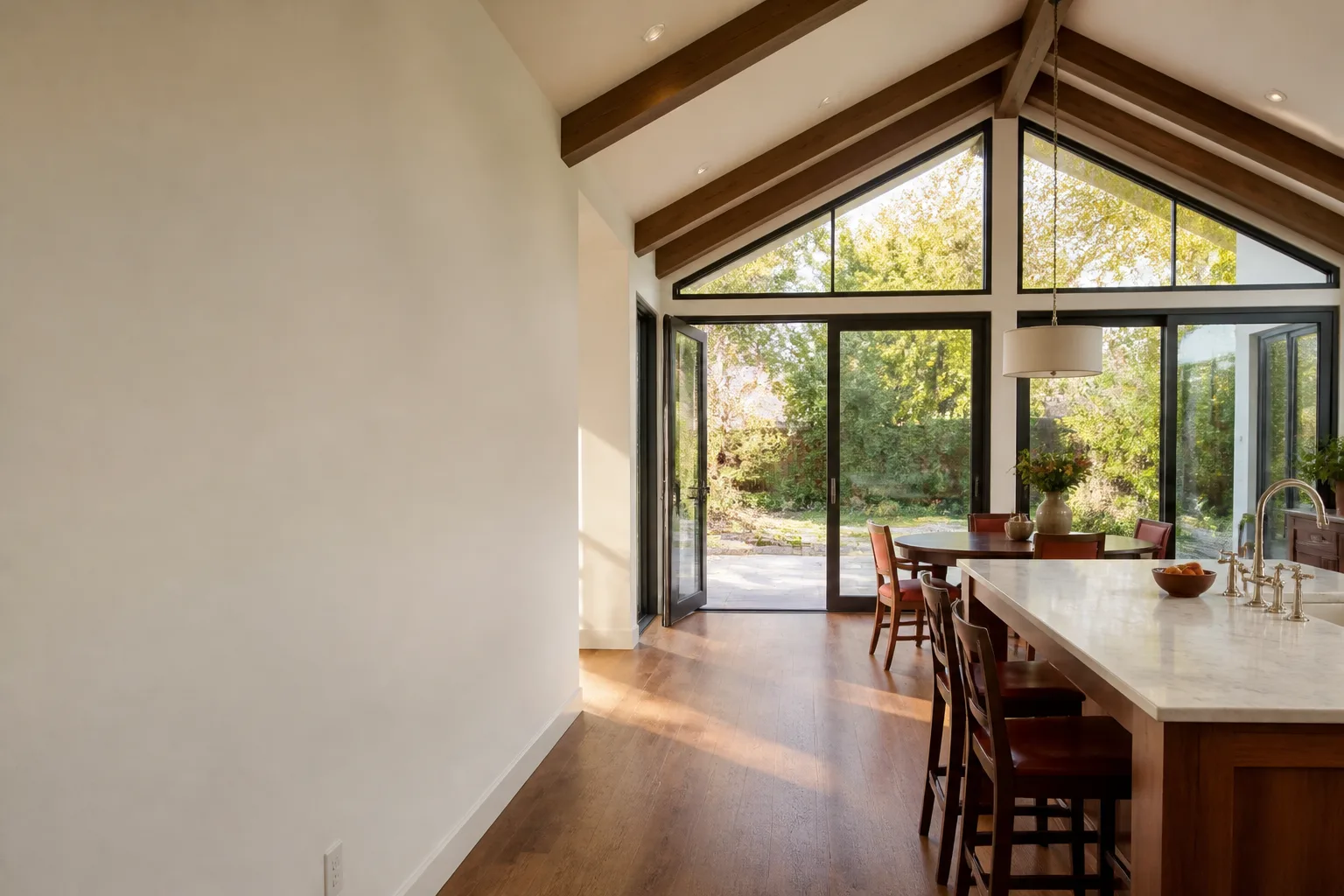
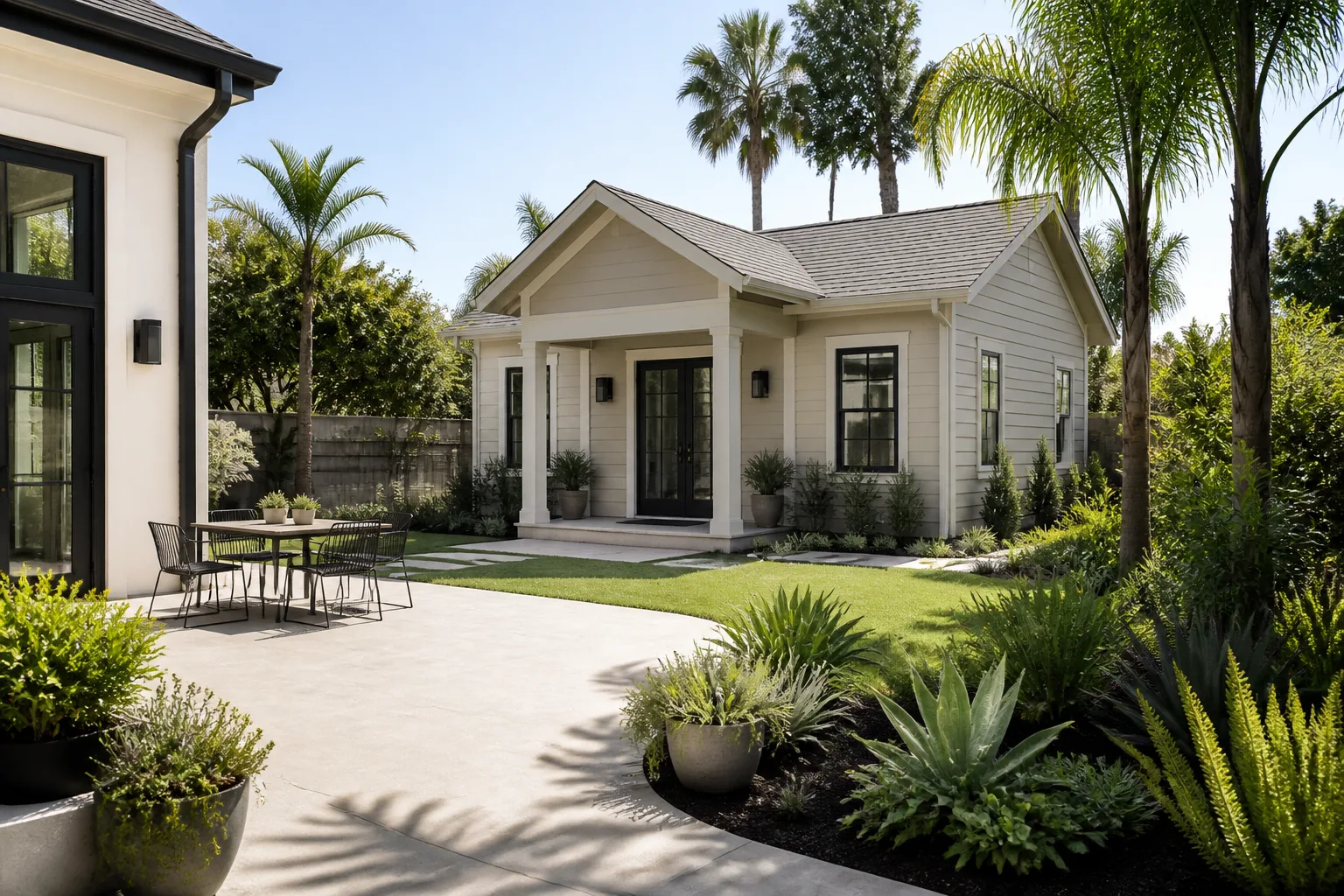
If you own a Dvele home in Austin and you’re looking at an addition or ADU, plan on $45,000 – $130,000 installed, depending on square footage, foundation work, and interior finish level. We stock and install Dvele-compatible addition packages and can usually start within a two-week window once plans are approved. Most owners reach out when they’ve outgrown the original footprint or a family member needs a separate living space, and the existing Dvele panel connection points are no longer enough to carry the added square footage.
Which Dvele Models This Applies To

Dvele homes are steel-framed, panelized builds, which changes how an addition gets tied in. The connection points, electrical panel capacity, and HVAC zones are all laid out at the factory, so a site-built addition has to be matched to the existing shell carefully. This applies to every Dvele model line we’ve worked on in Travis, Williamson, and Hays counties. Identify your floor plan from the build sheet or the label inside the mechanical closet. The building envelope spec and panel thickness matter more than the model name when we’re pricing the tie-in work.
For parts and finish materials, OEM Dvele hardware is fine, but we often recommend quality aftermarket equivalents from James Hardie, Therma-Tru, and Kohler when they’re a better fit for the open market. You’re not locked into factory-only components for an addition. The structural connection is the part that has to be done right the first time.
Styles & brands we work with







Signs Your Dvele Home Additions & ADU Is Failing
- Gaps opening at the roofline where the addition meets the original structure. This usually means the tie-in wasn’t flashed or anchored correctly, and Austin’s clay-heavy soil shifts more than people expect.
- Drywall cracks spreading from a corner where new meets old framing. Settlement differential between the steel-framed Dvele shell and a stick-built bump-out is a common culprit here when the footer wasn’t sized for the added load.
- Humidity or musty smell in the new space that won’t clear. Austin’s summer humidity pushes moisture into any wall cavity that isn’t properly sealed, and an undersized minisplit can’t pull it back out.
- Electrical flicker when the HVAC kicks on in the addition. The original Dvele panel may be near capacity, and code requires a load calculation before adding circuits.
- Floor slope developing in the addition after the first full year. Expansive soil in East Austin and Pflugerville will move a slab that wasn’t engineered for it, and you’ll feel it before you see it.
See the difference
 Before
 After
After Before
 After
After Before
 After
AfterReplacement Cost & What’s Included
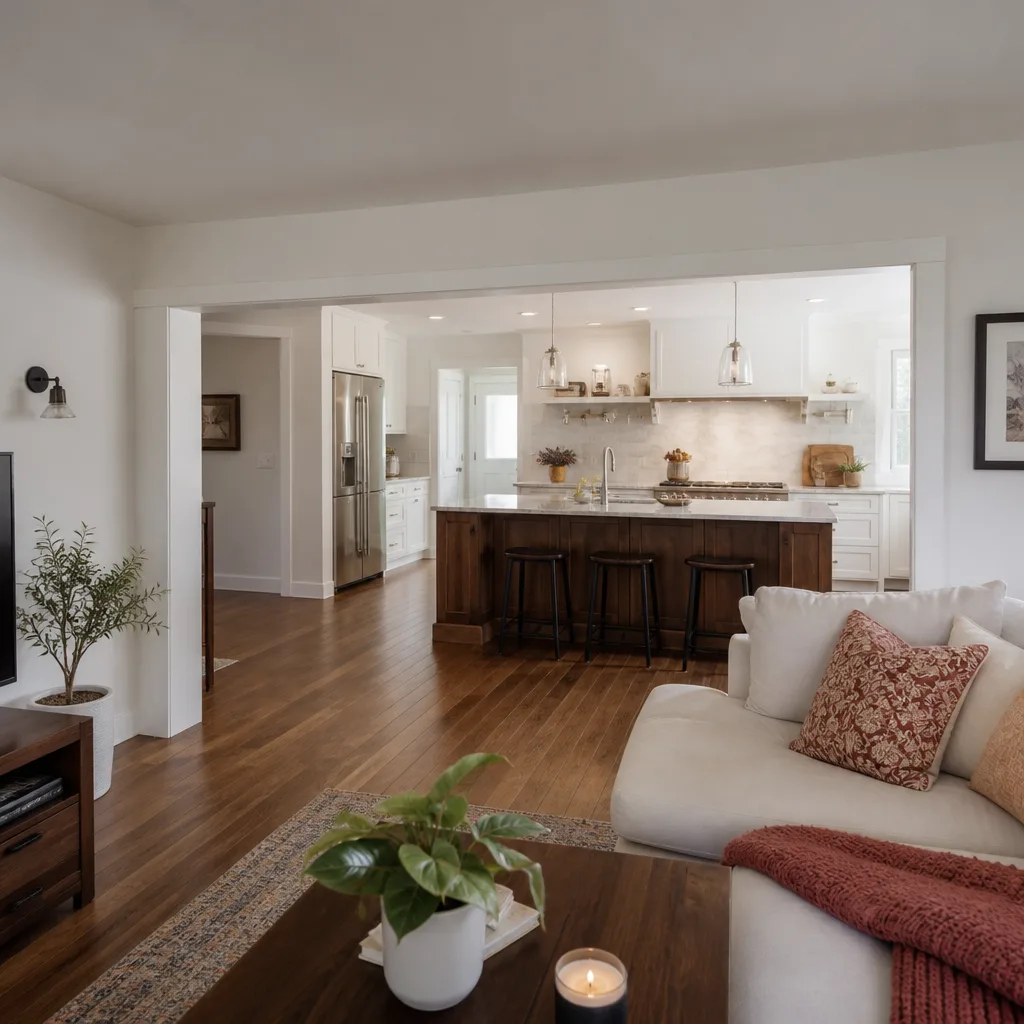
In Austin, a Dvele home addition runs $45,000 – $130,000. A simple bump-out with one room and a closet sits at the low end. Adding a full ADU with a kitchenette and bath pushes toward the upper range. What drives the number: foundation type (pier and beam costs more on clay soil than slab in most of Travis County), tie-in complexity, electrical panel upgrades, and interior finish choices.
Every quote includes a written line-item breakdown before any work starts. That’s a Kingswell standard, and it’s non-negotiable. The number you see on day one is the number on the invoice. We pull permits, call in the inspections, and back the whole job with our 365-Day Done Right Promise: if something fails inside a year, we come back and fix it at no charge, in writing.
DIY or Call Us?
You can safely check your build sheet, measure the existing rooms, and graph out roughly what you need. You cannot safely tie a new structure into a Dvele steel frame without knowing the load path and the panel connection points. This is structural work, full stop. Cutting into a load-bearing Dvele wall without an engineered plan is how additions fail inside two years and how permits get pulled off a job. The foundation work alone on Austin’s expansive soil is beyond what any homeowner should take on solo.
If you’re not sure whether you need an engineer’s stamp or just a builder’s eye, call us and ask. Trevor Nash will tell you straight: Tell me what you need, I’ll tell you what it costs, and we’ll go from there. You can reach us at (325) 225-5429.
FAQs

With proper flashing, an engineered foundation, and quality materials, a Dvele-compatible addition should last 50 years or more. The failure point in Texas is almost always water intrusion at the tie-in and foundation movement from clay soil, so that’s where we spend the most time on site.
Yes, if the issue is flashing, drywall, electrical, or HVAC sizing, we can repair in place. If the footer is undersized or the structural connection was never done correctly, replacement is often cheaper than chasing the same crack for years. Call (325) 225-5429 and we’ll tell you what you’re actually looking at before you spend a dollar.
Most projects run 3 to 6 months from permit approval to final walkthrough. Permitting through the City of Austin or Travis County usually takes 4 – 8 weeks on its own. We give you a written timeline before work starts and a defined arrival window for every crew day.
We keep common tie-in hardware, flashing, James Hardie panels, and finish materials on hand or available from local Austin suppliers within days. We also work regularly with KraftMaid, Cambria, and Silestone for interior finishes when you’re outfitting the new space. For your Dvele shell specifically, we source the structural components direct from the manufacturer to match your panel spec.
Written by Trevor Nash, Owner, Penhallow Remodeling Austin at Penhallow Remodeling Austin, serving Austin and nearby areas.


