







Free written scope consultation - allowances, timeline, and change-order rules on paper before a single trade is scheduled
James Hardie Kitchen Remodeling: The Austin Owner’s Guide
James Hardie kitchen remodeling in Austin typically runs $14,000 – $45,000 installed, depending on cabinet line, countertop material, layout changes, and how much HardieBacker or HardiePanel substrate your job requires. Most Austin homeowners call us because their existing kitchen has a failed underlayment, water-damaged drywall behind the sink, or cabinets pulling away from walls that were never properly prepped for our humidity swings. We stock James Hardie substrate and sheathing products specific to kitchen applications, and we can usually begin tear-out within a week after your written estimate is approved.
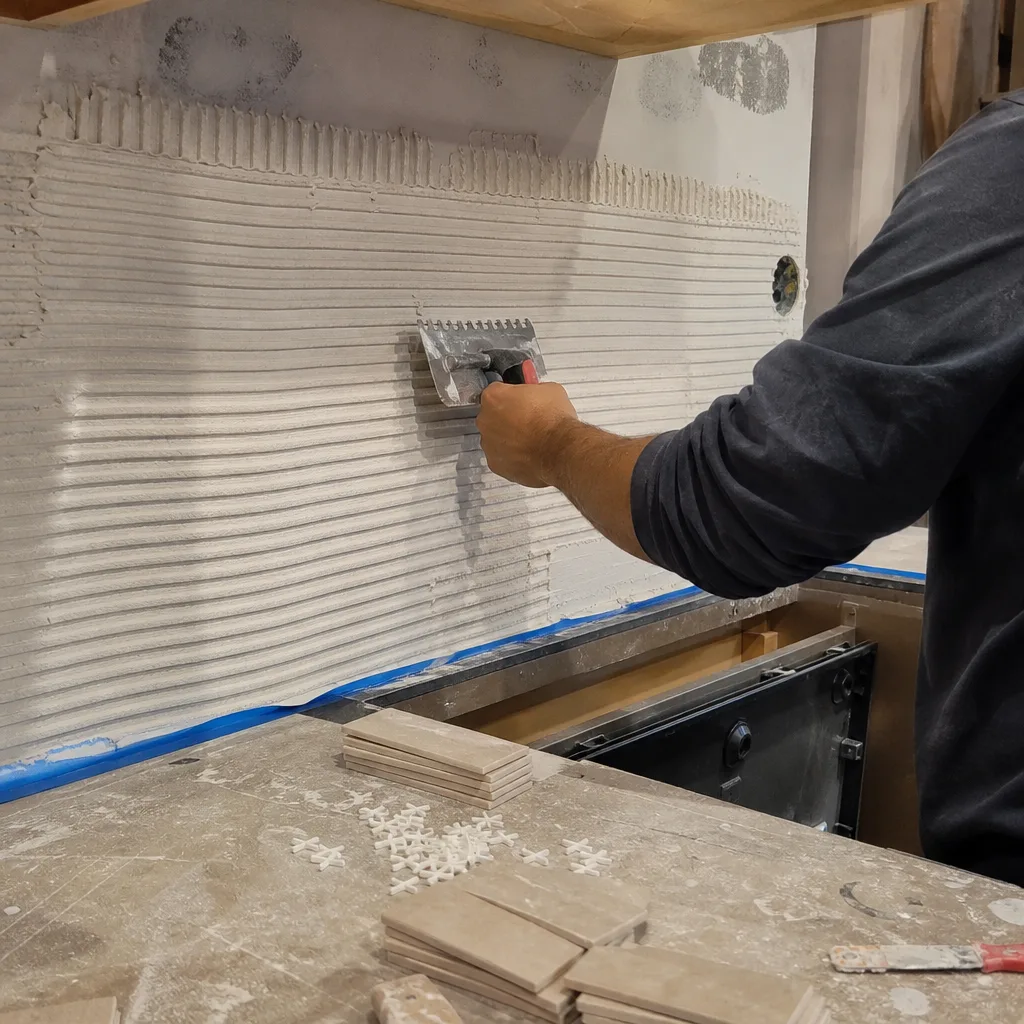
Here’s the scene we see most often: someone’s tile countertop starts cracking, the grout keeps crumbling, or the cabinet boxes near the dishwasher have swollen at the base. They pull a cabinet panel, and behind it is drywall that has wicked moisture for years. That’s when James Hardie products come in. We install HardieBacker cement board as the substrate (the moisture-resistant layer behind your tile) against studs before any tile or stone goes up, and HardiePanel where a kitchen exterior wall needs sheathing rebuilt before siding ties back in. If you’re in Travis Heights, Tarrytown, or up near Round Rock and your kitchen is original to the house, there’s a good chance the failure is happening behind the finish surface, not on it.
Key takeaways:
- Installed James Hardie kitchen remodeling in Austin: $14,000 – $45,000
- We stock HardieBacker board and James Hardie sheathing for kitchen tear-outs and rebuilds
- Written price before work starts, and a 365-Day Done Right Promise on every project
- Call (325) 225-5429 to schedule a free kitchen assessment
Which James Hardie Models This Applies To

For kitchens, the two James Hardie products that matter most are HardieBacker cement board and HardiePanel fiber cement sheathing. HardieBacker comes in two thicknesses: 1/4″ for floors and countertops where it lays over an existing subfloor or plywood base, and 1/2″ for walls where it gets screwed directly to studs behind tile. Austin homes with pier-and-beam foundations, which are common in older neighborhoods like Hyde Park and Bouldin Creek, flex more than slab homes, so we almost always use the 1/2″ board on walls to resist the movement that cracks tile and grout.
The compatibility gotcha most homeowners don’t know: James Hardie requires a specific screw pattern and a modified thinset mortar rated for cement board, not standard drywall mud. We’ve followed behind DIY jobs where someone used drywall screws, which rust and snap under tile weight. For countertops, the board must sit over a minimum 3/4″ plywood base, glued and screwed, or the counter becomes a trampoline for the slab going on top. We recommend OEM HardieBacker over aftermarket cement boards because the fiber cement density is consistent board to board, which matters when you’re setting a $6,000 Cambria slab. Penhallow Remodeling Austin is an independent remodeling contractor, not a James Hardie dealer or affiliate, but we buy directly from their recognized regional distributors, so stock is fresh and warranty paperwork is straightforward.
Styles & brands we work with







Signs Your James Hardie Kitchen Remodeling Is Failing
- Grout keeps cracking along the countertop edge or backsplash. The substrate behind the tile is flexing, which usually means the original contractor used drywall instead of cement board, or the board wasn’t screwed on the required pattern.
- Base cabinets are soft or swollen near the sink or dishwasher. Water has been wicking through the wall behind the cabinet for years. Once you pull the cabinet, the drywall is often crumbling, and that’s where HardieBacker should have been installed from the start.
- Tile countertop makes a hollow sound when you tap it. The board underneath has delaminated or lost its mortar bond. Tile over a void cracks within months, especially with Austin’s summer-to-winter thermal swings.
- Caulk joints between the counter and backsplash keep pulling apart. Movement. Austin’s clay soil expands and contracts with drought and rain, and pier-and-beam homes are worst affected. Cement board won’t stop foundation movement, but it isolates the tile from the worst of it.
- You see rust-colored drips or screw pops around the sink wall. Drywall screws or non-cement-board screws were used in the underlayment, and they’re oxidizing behind the tile. Left alone, the rust eventually pushes tiles off the wall.
See the difference
 Before
 After
After Before
 After
After Before
 After
AfterReplacement Cost & What’s Included

A full James Hardie kitchen remodel in Austin runs $14,000 – $45,000. What moves the number: kitchen footprint (a North Austin tract home kitchen is 10’x12′; a Westlake island kitchen can be triple that), whether you’re keeping the original footprint or moving plumbing and electric, your cabinet line (KraftMaid stock versus Wellborn semi-custom is a $6,000 – $15,000 swing), and countertop material (Silestone and Caesarstone start lower; Cambria runs higher because of the warranty behind it).
A smaller kitchen refresh, where we keep the layout but replace countertops, backsplash, and failing substrate, can land between $9,000 and $20,000. Backsplash replacement alone, where we strip to studs and install fresh HardieBacker before tile, is typically $800 – $2,500. We give you one written line-item price before tear-out begins, and the number on day one is the number on the invoice. No change orders unless you add scope. Every project carries our 365-Day Done Right Promise: if anything we installed fails inside the guarantee period, we come back and fix it at no charge, in writing.
DIY or Call Us?
What you can safely check yourself: pull a switch plate or outlet cover on the backsplash wall and look at the exposed edge. If you see drywall paper instead of a gray cement board, you’ve found the failure source without touching a tool. You can also run your hand under the counter overhang and feel for softness or crumbling.
What we’d stop you from doing: ripping out tile and cement board yourself without sealing off the kitchen. Cement board demolition throws silica dust through the whole house, and Austin’s dry air keeps it suspended longer. We contain work areas, run HEPA air scrubbers, and dispose of fiber cement properly. Also, countertop removal wrong can crack cabinet frames below if the installer doesn’t cut the silicone lines first. Trevor Nash will tell you what a lot of Austin homeowners already know from experience: sheetrock work is forgiving, but the substrate is the last thing you want to get wrong because it’s the first thing that fails. Tell me what you need, I’ll tell you what it costs, and we’ll go from there. Call (325) 225-5429 and we’ll walk the kitchen with you, find out what’s behind the surface, and hand you a written number the same day.
FAQs
HardieBacker and HardiePanel won’t rot, warp, or break down from moisture the way drywall does, and the board itself carries a 30-year warranty from James Hardie. In Austin, the real lifespan limit is usually the tile and grout on top, which take the brunt of our summer heat and clay-soil movement. Done correctly, a HardieBacker substrate outlasts two or even three tile replacements. Call (325) 225-5429 if you’re unsure whether your substrate was even done correctly the first time.
Spot repair is possible only if the failure is localized to one small section, like a 2-foot area behind a sink that doesn’t meet butting board at the counter. In practice, once we open the wall and find drywall where HardieBacker should have been, or a board that wasn’t screwed to spec, the repair is almost always a full tear-out of the damaged section back to fresh studs. We’ll tell you which one you need before we start, with a written price for either path.
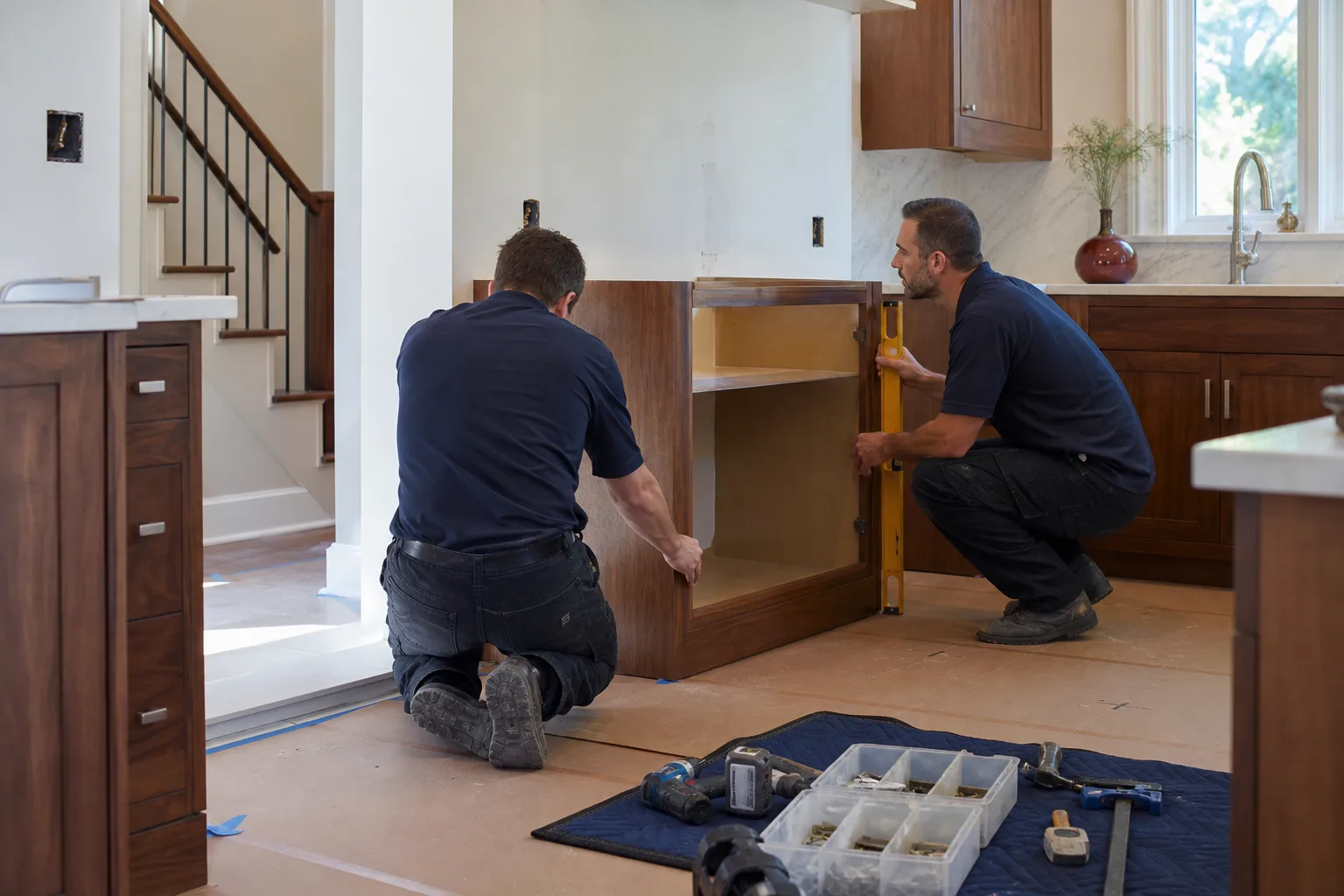
A backsplash and countertop substrate replacement runs 2 – 4 working days. A full kitchen remodel with cabinet removal, new HardieBacker on walls and counters, and new countertops, cabinets, and backsplash typically takes 3 – 5 weeks in Austin. You’ll get a start date and a defined arrival window before we begin, and the crew is there every working day until the job is done.
We keep 1/4″ and 1/2″ HardieBacker board on hand for most kitchen projects, along with the correct cement board screws and modified thinset. HardiePanel for exterior kitchen wall sheathing is usually pulled same-week from our Austin distributor. If you need a kitchen remodel tied into exterior siding replacement, we also install James Hardie plank siding, so the transition between wall and sheathing is one continuous system, not two contractors pointing at each other.
Written by Trevor Nash, Owner, Penhallow Remodeling Austin at Penhallow Remodeling Austin, serving Austin and nearby areas.


