







Free written scope consultation - allowances, timeline, and change-order rules on paper before a single trade is scheduled
Tuff Shed Driveway & Pavers: The Austin Owner’s Guide
If your Tuff Shed sits on a cracked, sinking, or washed-out driveway or paver base, you’re not dealing with a cosmetic problem – you’re dealing with a foundation problem that gets worse every time it rains in Austin. Replacing or repairing the driveway and paver surface under and around a Tuff Shed in Austin typically runs $3,500 – $18,000 installed, depending on whether you’re doing a paver driveway, concrete driveway, or full driveway replacement. We stock Tuff Shed-compatible paver and concrete materials and can usually start the tear-out within a week of the written estimate.
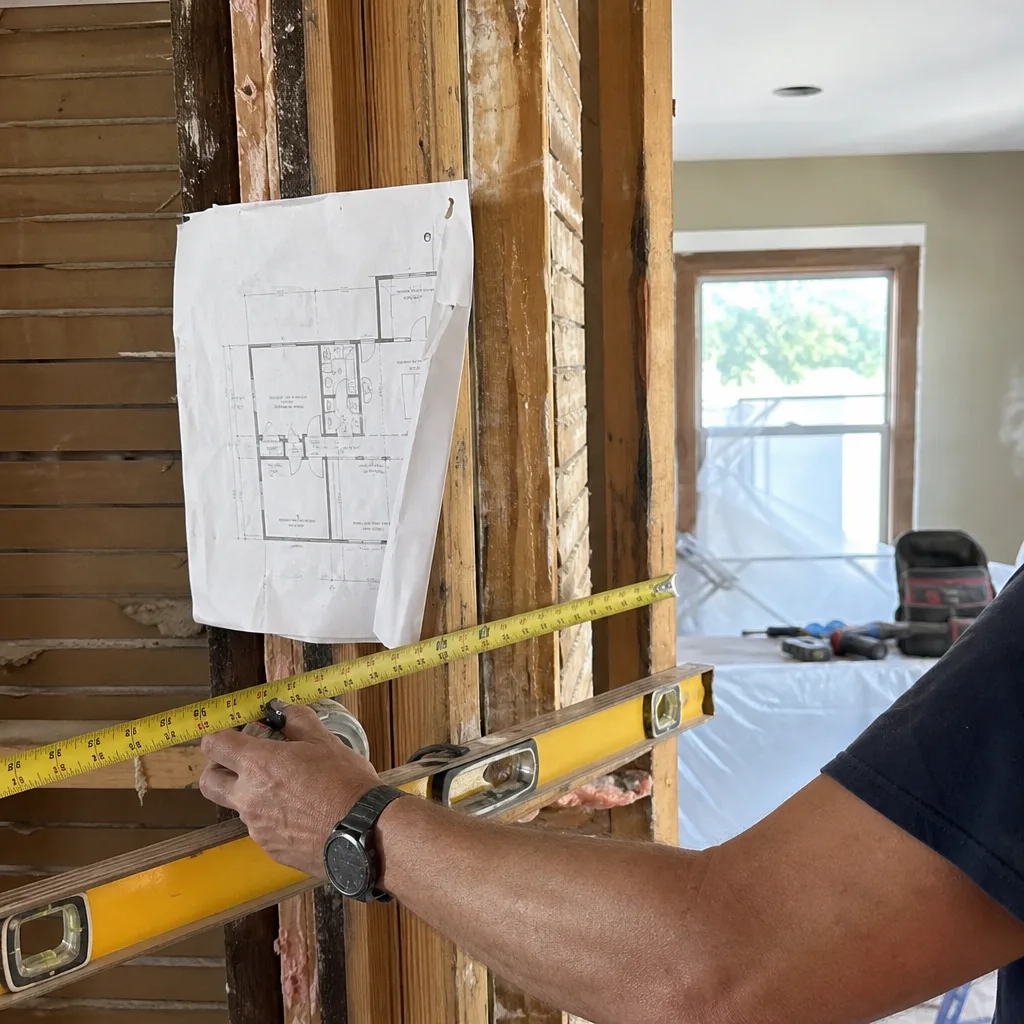
Most Austin homeowners discover the failure the same way: the shed doors start sticking because the pad has settled, or water pools against the sill plate after a heavy storm, or the pavers in front of the shed have heaved so badly the ramp no longer lines up. What began as a flat, clean pad has turned into a sloped, cracked surface that’s quietly working against the shed itself.
Which Tuff Shed Models This Applies To
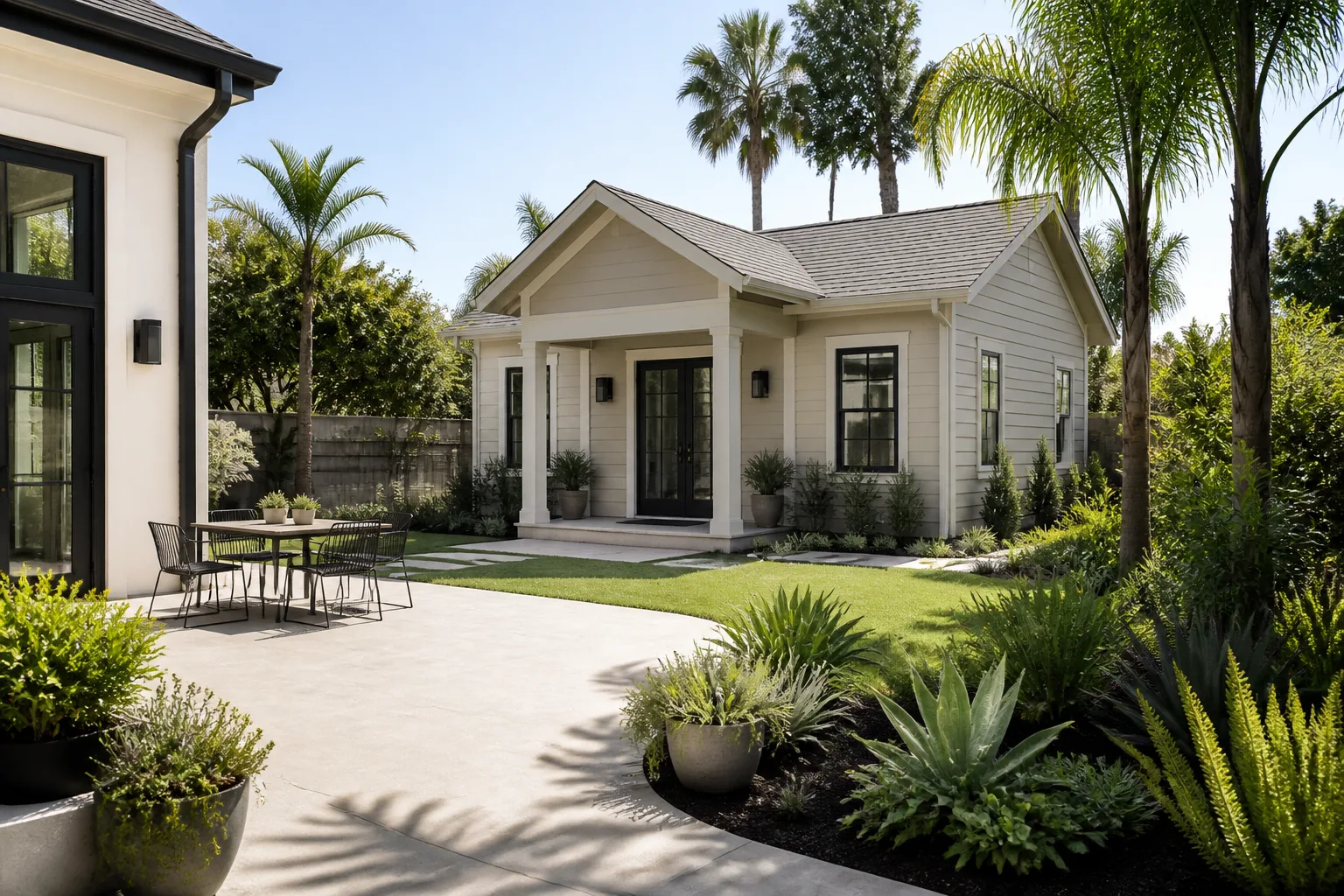
This work applies to every Tuff Shed installed in the Austin area, regardless of whether it’s a Premier PRO series, a Premier Ranch, a Sundance, or a custom TB-800 built for a specific backyard layout. The driveway and paver question isn’t about the shed model – it’s about what’s under it and what leads up to it.
What matters is the slab or paver geometry. Most residential Tuff Sheds in Austin sit on a concrete pad that’s 4 inches thick, sometimes with a thickened edge. The driveway or walkway leading to the shed is usually a separate pour or a paver field, and that separation is where the trouble starts. Two different substrates, two different expansion rates in Texas heat, and a joint that was never properly tied or sealed. If your shed was installed on a paver base instead of a slab, the compatibility question shifts to the base material underneath – compacted decomposed granite or road base – and whether the pavers were laid with a proper edge restraint. We check all of it before we quote.
For Tuff Shed specifically, the OEM doesn’t sell driveway pavers or concrete work as a parts line. You won’t find a “Tuff Shed driveway kit” to order. That means the right move is a quality aftermarket material solution – Belgard or Unilock pavers, or a properly mixed and finished concrete pour – matched to the existing pad elevation and the shed’s door swing. Pénhallow Remodeling Austin isn’t affiliated with Tuff Shed, but we’ve corrected enough failed Tuff Shed driveways around Austin to know exactly what the original installers got right and what they skipped.
Styles & brands we work with







Signs Your Tuff Shed Driveway & Pavers Is Failing
- Water pooling against the shed sill plate after rain. Austin’s spring and fall storm cycles push a lot of water fast. If the driveway or paver field slopes toward the shed instead of away, the sill plate wicks moisture, the bottom plate starts to rot, and you’ll smell it before you see it.
- Shed doors drag or bind when you open them. The pad has settled or the pavers have heaved, changing the elevation at the threshold. This isn’t a door hardware problem – it’s a substrate problem.
- Cracks wider than a quarter inch running across the concrete approach. In Austin, the freeze-thaw cycle is mild compared to the north, but the clay soil expansion and contraction is brutal. A crack that wide means the slab is moving independently and will only widen.
- Pavers that rock underfoot or have shifted out of alignment. Edge restraint failed, or the base eroded from underneath. You’ll see sand washing out at the edges after every rain.
- The ramp or threshold no longer lines up with the shed floor. Anything more than a half-inch of drop or rise means one surface is moving and the other isn’t. That differential movement is what cracks shed frames and twists door openings.
See the difference
 Before
 After
After Before
 After
After Before
 After
AfterReplacement Cost & What’s Included
Here are the installed price ranges we quote in Austin for Tuff Shed driveway and paver work. Every quote is a written line-item number, not a ballpark.
- Paver driveway installation: $7,000 – $18,000
- Concrete driveway installation: $4,500 – $12,000
- Asphalt driveway paving: $3,500 – $9,000
- Driveway replacement (tear-out and re-pour): $5,000 – $14,000
- Driveway sealing (maintenance, not replacement): $250 – $700
- Paver patio installation adjacent to the shed: $3,500 – $11,000
What drives the number: the square footage of the approach, whether we’re tearing out an existing slab or building fresh, paver material choice (Belgard and Unilock run higher than basic concrete pavers), drainage corrections, and whether the base needs re-compaction or full excavation. Every quote includes written parts and labor separation, and every driveway or paver install carries our 365-Day Done Right Promise – if it fails inside the first year, we come back and make it right at no charge. That promise is in writing on every project.
DIY or Call Us?
You can absolutely handle some of the diagnosis yourself. Check the slope with a level. Watch where water goes during the next rain. Look for cracks wider than a quarter inch. If the paddock is flat and the water runs away from the shed, you may only need sealing or joint repair.
But tearing out a failed concrete approach or re-laying a paver field that butts against a structure is not a weekend project. You’re dealing with a subgrade that has to be compacted correctly, drainage that has to slope away from the building, and a finished elevation that has to line up perfectly with the shed floor. Get that wrong and you’ve spent a weekend and a pile of material to recreate the same failure that sent you looking for this page. Tell me what you need, I’ll tell you what it costs, and we’ll go from there. Call (325) 225-5429 for a free written estimate.
FAQs

A properly installed concrete driveway approach in Austin should last 25 – 30 years with resealing every 3 – 5 years. A paver field on a well-compacted base with proper edge restraint should last 20 – 25 years in our climate, assuming you keep the joint sand topped up. The failure point in Austin is almost always the base or the drainage, not the surface material itself. Call (325) 225-5429 if your surface is cracking early – we’ll tell you what’s underneath before we quote anything.
Yes, in specific cases. Cracks under a quarter inch can be routed and sealed, and isolated paver heaving can sometimes be corrected with a localized re-set. But if the slab is cracked through at multiple points, or the subgrade is the problem, a section patch will fail again – usually within a year. We’ll only recommend the full replacement when it’s cheaper over five years than repeated patches. Estimates are free.
Plan on 3 – 7 days for a typical Austin residential driveway tear-out and replacement. Concrete needs cure time before you drive on it. Paver installs go faster structurally but the base compaction and final plate tamping add a day. We’ll give you a written start window and a written completion date on the same sheet as the price.
For most Austin jobs we bring pavers, paver base, edge restraint, joint sand, concrete forms, and rebar with us on the first trip. Specialty paver colors or Belgard or Unilock patterns may need 3 – 10 days for ordering. If you’re also working with KraftMaid, Cambria, or Silestone finishes elsewhere on the property, we can coordinate material timing so you’re not waiting on two different schedules. Call (325) 225-5429 and we’ll confirm stock before we quote.
Written by Trevor Nash, Owner, Penhallow Remodeling Austin at Penhallow Remodeling Austin, serving Austin and nearby areas.


