





Free written scope consultation - allowances, timeline, and change-order rules on paper before a single trade is scheduled
Abodu Home Additions & ADU: The Austin Owner’s Guide
We install and support Abodu home additions and ADU systems across Austin, with most residential addition projects running $45,000 to $130,000 depending on scope, site prep, and finish level. If your Abodu unit is showing signs of water intrusion, settling, or mechanical failure, the problem usually traces to a specific subsystem: the connection point between the module and your foundation, the roof membrane, or the HVAC run, not the whole structure. Most owners first notice a musty smell near the floor line, a door that suddenly sticks, or a utility bill that climbs without explanation.
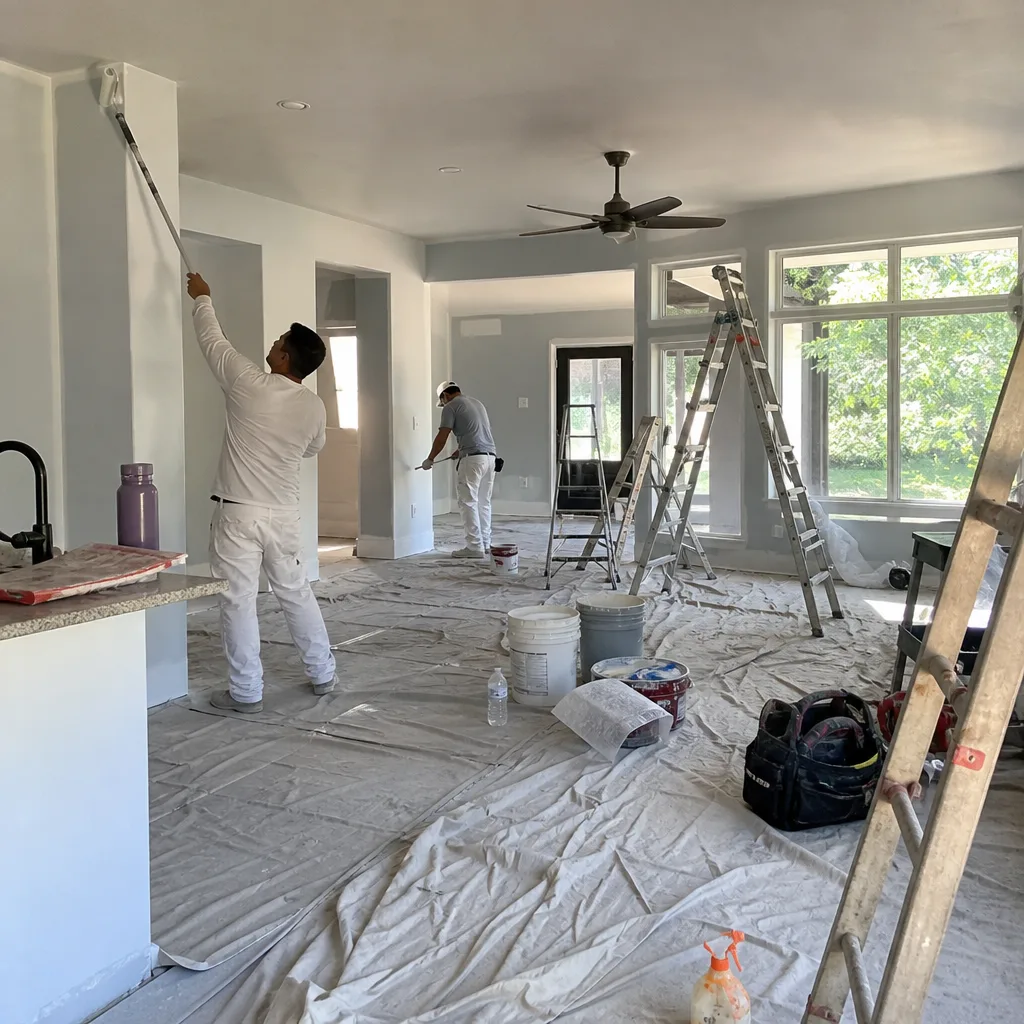
What we’ve learned from working on Abodu units in Austin is that the homes themselves are built to a consistent standard, but Texas soil and heat expose weak points faster than the manufacturer’s coastal-California design assumptions anticipated. The good news: parts are available, repairs are straightforward when caught early, and you don’t need to be an engineer to understand what’s failing. You just need someone who’s seen it before.
Which Abodu Models This Applies To
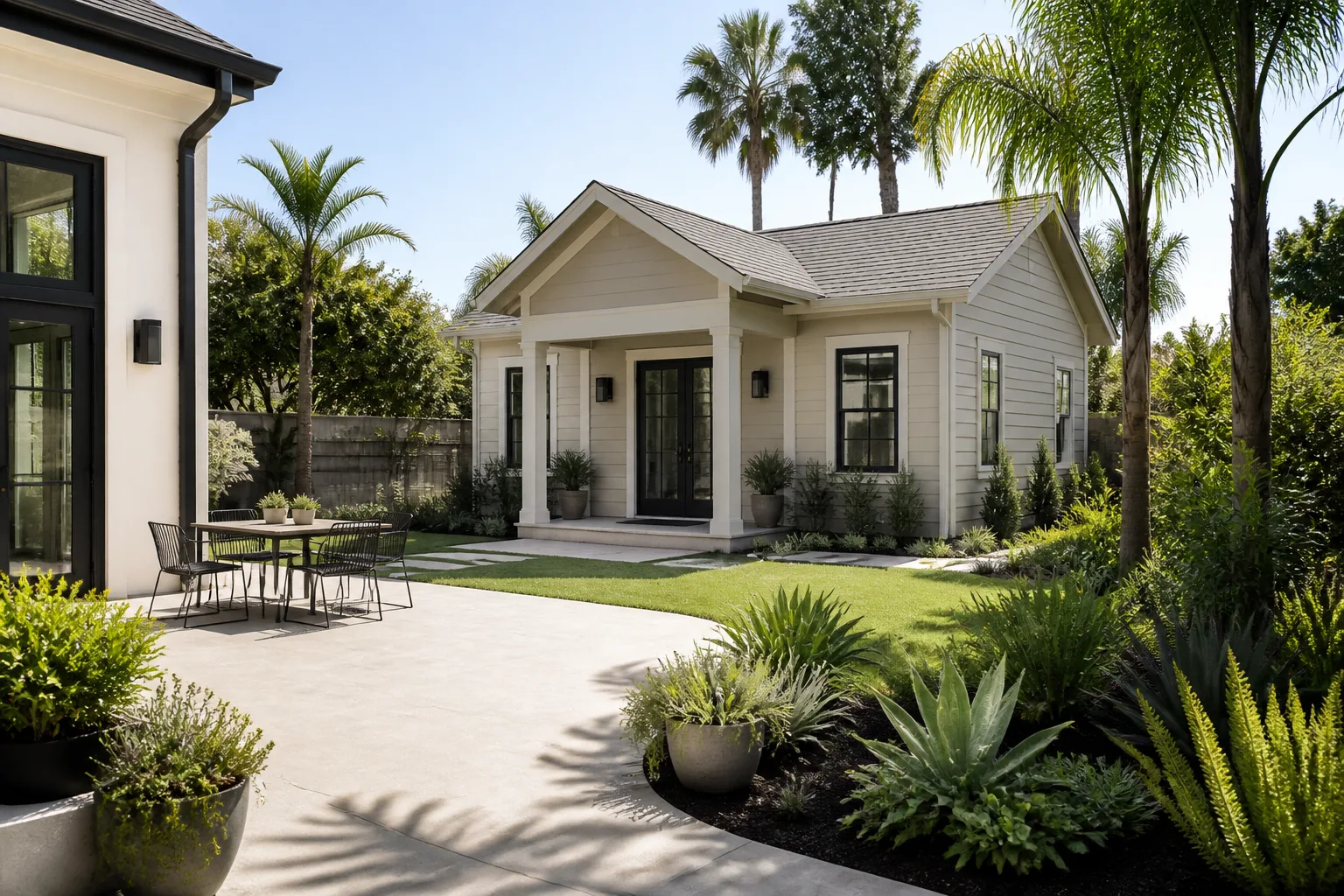
Abodu currently produces three core ADU models: the Studio (329 sq ft), the One Bed (419 sq ft), and the Two Bed (511 sq ft). All three use the same structural connection system, which means the parts we’re discussing here apply across the line. If you have a Studio or One Bed, your roof membrane is the single most important component to monitor in Austin’s heat. If you have a Two Bed, you’ll also want to watch the second-bedroom sidewall, which catches the brunt of west-facing afternoon sun on most Austin lots.
Here’s a compatibility gotcha most owners don’t know: Abodu units built before 2022 used a different sill-plate anchor bolt spacing (18-inch centers) than newer units (12-inch centers). If you’re replacing the connection hardware or shimming the unit, you need to match the anchor spacing to your specific build year. We verify this against the serial number plate on the underside of the floor joist, which is the only reliable identifier. Aftermarket anchor and flashing kits are available and perform well, but we’ve seen mismatched bolt patterns cause exactly the kind of slow settling that leads to cracked drywall and binding doors.
One more note: Abodu units are designed to sit on a raised perimeter foundation. In Austin’s clay-heavy soils, especially east of I-35, that foundation can move seasonally. We’ve had good results with helical pier retrofits on units that have drifted more than three-quarters of an inch out of level, which is a repair Abodu’s warranty doesn’t cover but one that’s well within our wheelhouse.
Styles & brands we work with







Signs Your Abodu Home Additions & ADU Is Failing
- A musty or damp smell near the floor line. This almost always means the sill gasket between the module and the foundation has failed or was never installed correctly. In Austin’s humid springs, that gasket is your only barrier against soil moisture wicking up through the floor assembly, and once it’s compromised, the fix is a lift-and-reseal, not a dehumidifier.
- A door that sticks only in certain months. Austin’s clay soil expands after rain and contracts during dry spells. If your entry door binds in March but swings fine in August, your unit has shifted on its piers or slab. We check the anchor bolt torque first, then assess whether the foundation itself needs leveling. Ignoring it doesn’t just make the door annoying; it starts pulling window frames out of square.
- Unexplained spikes in your cooling bill during shoulder seasons. Abodu’s roof insulation performs well, but the seam where the roof membrane meets the fascia is the first place heat finds a path in. We’ve used thermal imaging on enough Austin units to know that a failed or shrinking seam can add 15 to 20 percent to your summer cooling load. The part itself, a butyl-backed membrane strip, costs less than a dinner for two. The labor to replace it properly, with correct surface prep, is what you’re paying for.
- Visible rust or staining on the exterior wall panels, especially near the base. This typically points to a failed weep screed or improper flashing where the siding meets the foundation. Water gets behind the panel, can’t escape, and what you see on the outside has already been happening inside the wall cavity for a while. We remove the panel, assess the substrate, replace the flashing, and reinstall with proper drainage. The alternative, replacing rotted sheathing, is a much bigger job.
- Popping or clicking sounds from the ceiling when the temperature swings. That’s the roof assembly’s expansion joints working too hard. Abodu uses a flexible joint sealant between roof modules, and in Austin’s 40-degree overnight-to-afternoon swings, that sealant dries and cracks faster than the manufacturer’s 10-year rating suggests. We replace it with a higher-movement product rated for the temperature range we actually live in, which buys you several more years of quiet.
See the difference
 Before
 After
After Before
 After
After Before
 After
AfterReplacement Cost & What’s Included
For most Abodu home additions and ADU repairs in Austin, the installed price lands between $45,000 and $130,000 when you’re talking about full unit replacement or major remediation, though the specific part-level repairs we’ve described run from a few hundred dollars (seam sealing, gasket replacement) to $8,000 to $25,000 for foundation stabilization or panel and sheathing replacement. The range is driven by access: a unit sitting on a tight South Congress lot with a narrow side yard costs more to work on than one with open clearance on all four sides, because everything has to come through a smaller space.
What’s included in our price: the part itself, the labor to install it correctly, disposal of the failed material, and a written guarantee on the work. You get the price in writing before we start. If the repair fails inside the guarantee period, we come back and fix it, no charge, no re-inspection fee. That’s the 365-Day Done Right Promise, and it’s part of every job we take on, which is the Kingswell standard. We don’t do verbal ballparks that change at the door. The number we give you is the number on the invoice, period.
DIY or Call Us?
If you’re comfortable with a caulk gun and a ladder, you can safely handle visual inspections and minor cosmetic sealing: recaulking around window trim, checking for visible gaps in the exterior siding joints, clearing debris from the weep holes at the base of the wall panels. What you should not do yourself is anything involving the structural connection between the unit and its foundation, the roof membrane, or electrical and HVAC components. A Badu unit carries enough weight that a botched lift or improperly torqued anchor bolt creates a safety hazard, not just a repair bill.
We’ve had too many calls from Austin homeowners who started a weekend fix and ended up with a bigger problem than they began with. The structural repairs require lifting equipment, torque specs, and an understanding of Austin’s soil behavior that only comes from doing this work over and over. Call (325) 225-5429 and describe what you’re seeing. We’ll give you an honest read over the phone, tell you whether it’s urgent or whether you can watch it for another season, and if you want us out, we’ll come look at it. Written estimate, no charge, no pressure.
FAQs

An Abodu unit in Austin can last 25 to 50 years if the foundation stays stable and the roof membrane is maintained, but the original sealants and gaskets will need replacement every 5 to 8 years due to our temperature swings. Call (325) 225-5429 to have us check your unit’s condition and give you an honest remaining-life estimate.
Yes, most failed parts in an Abodu unit can be repaired: roof seams can be resealed, gaskets replaced, and flashing redone without replacing the entire component or the unit itself. The exceptions are structural members with significant rot or the foundation connection if the unit has drifted out of tolerance. Call (325) 225-5429 and we’ll tell you which camp your repair falls into before we touch anything.
Most part-level Abodu repairs take one to two days once we’re on site, while foundation stabilization can take three to five days depending on soil conditions and access. We give you a defined arrival window and leave the job site cleaner than we found it, every time, no exceptions. Call (325) 225-5429 to talk through your specific repair timeline.
We stock the common failure parts on our truck: sill gaskets, roof seam tape, flashing, and anchor hardware for both the pre-2022 and current Abodu bolt spacings. Specialty items like full wall panels or custom window assemblies may need a 3 to 7 day order window. Call (325) 225-5429 and we’ll check availability while you’re on the phone.
Written by Trevor Nash, Owner, Penhallow Remodeling Austin at Penhallow Remodeling Austin, serving Austin and nearby areas.


