






Free written scope consultation - allowances, timeline, and change-order rules on paper before a single trade is scheduled
Ameristar Home Additions & ADU: The Austin Owner’s Guide
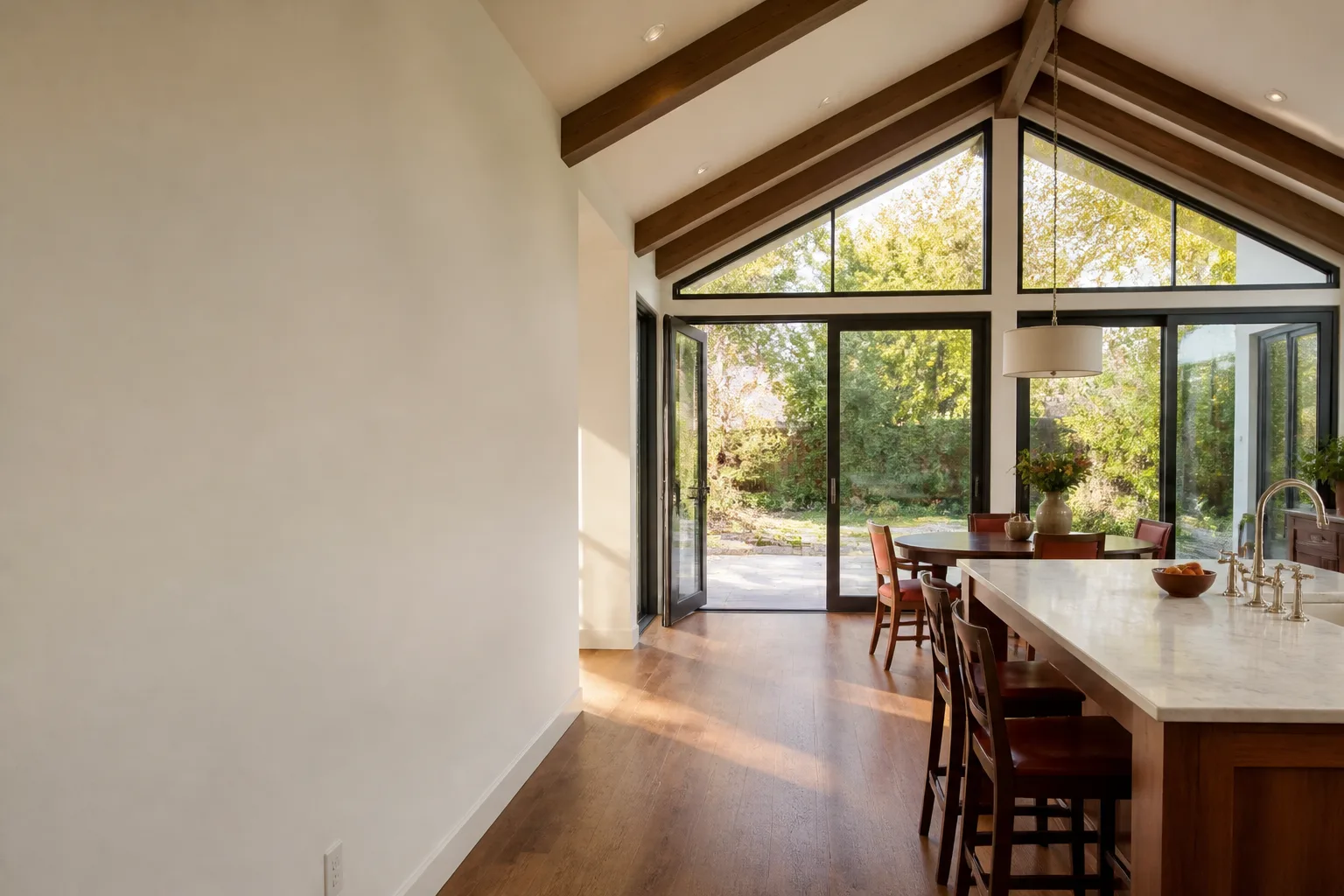
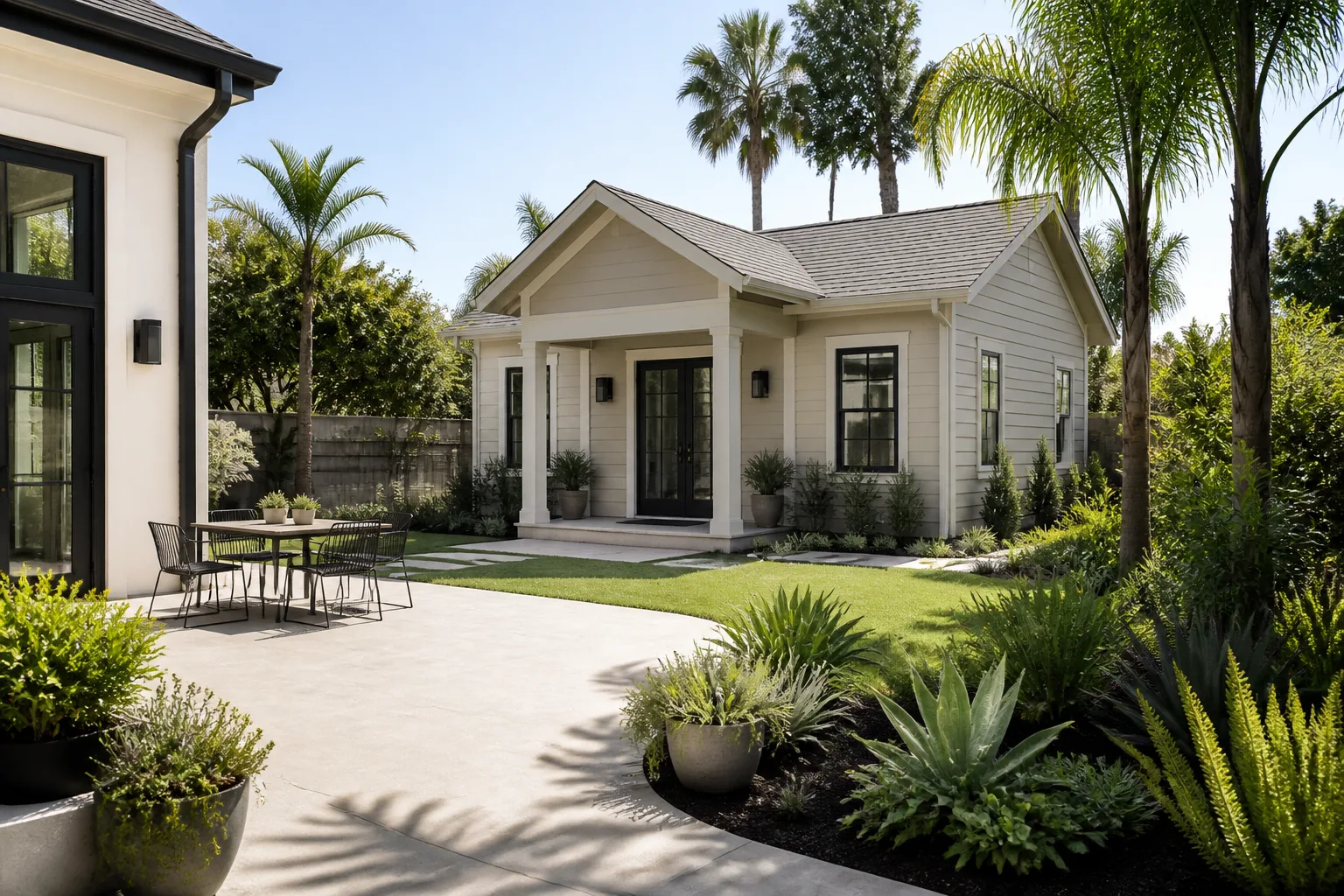
If your Ameristar home addition or ADU needs structural repair, envelope work, or full replacement of a failed section, Penhallow Remodeling Austin installs and services Ameristar-compatible additions and accessory dwelling units across Austin. A full home addition in Austin typically runs $45,000 – $130,000, while ADU construction lands between $90,000 and $220,000 depending on square footage, foundation condition, and finish level. Most owners discover the problem the same way: a door that won’t close square anymore, a floor that’s started to slope, or water staining where the addition ties into the original house. We’ll walk you through what’s actually failing, what it costs to fix, and whether it’s a repair call or a teardown-and-rebuild conversation.
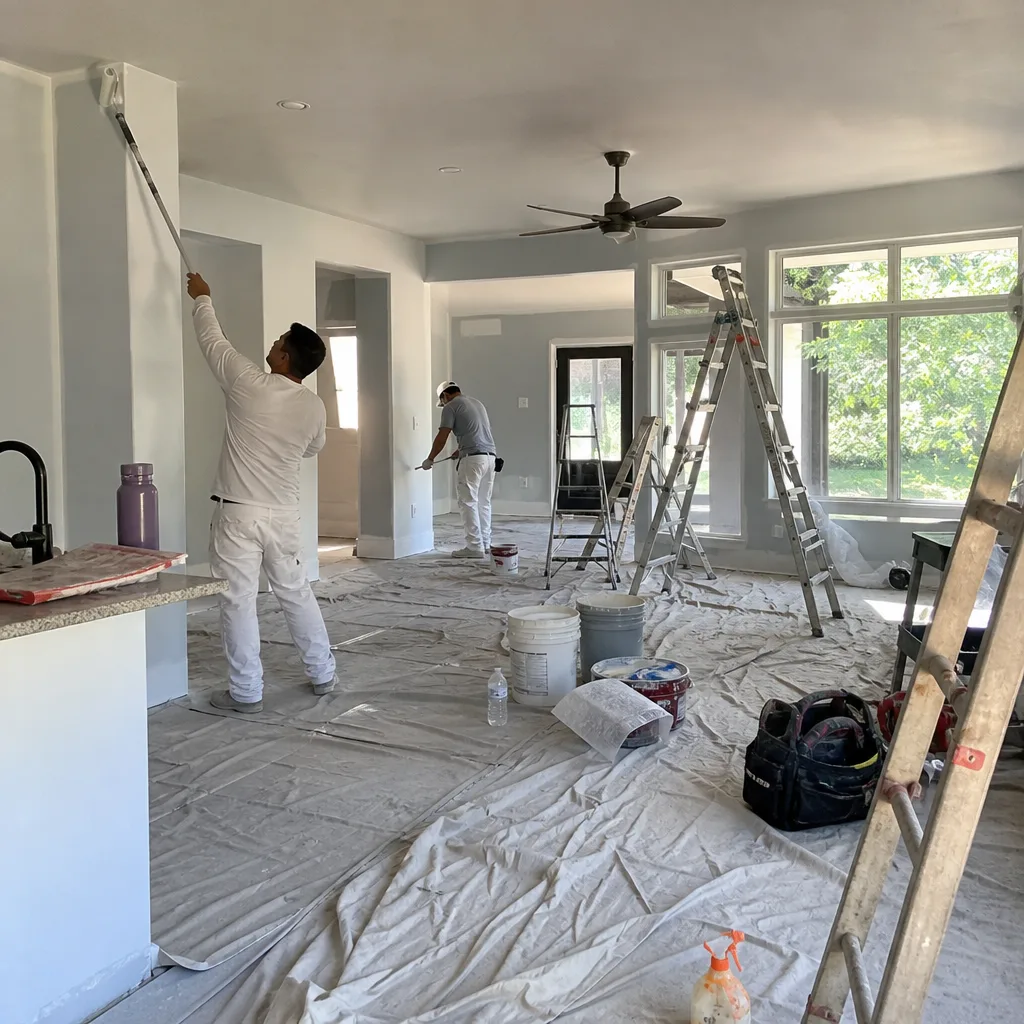
Quick note before we get into the details: Penhallow Remodeling Austin is an independent general contractor, not a factory arm of Ameristar. We work on Ameristar-built additions and ADUs because they’re common in Austin’s older neighborhoods, and we’ve learned where they tend to fail first.
Key Takeaways
- Ameristar additions and ADUs in Austin commonly fail at the roofline tie-in, the floor system, and the exterior envelope before the interior finishes give out.
- Full addition repair or replacement runs $45,000 – $130,000; a complete ADU rebuild runs $90,000 – $220,000.
- Every job gets a written price before work starts and our 365-Day Done Right Promise in writing.
- Call (325) 225-5429 for a free estimate. A real person answers, 24/7.
Which Ameristar Models This Applies To

Ameristar built additions and ADUs in Austin mostly during the 1990s and 2000s modular boom, which means you’ll see them in neighborhoods like Crestview, Allandale, and Brentwood where lots were deep enough to add a second structure. The original build stickers are usually on the electrical panel door or inside a kitchen cabinet. Look for a metal plate or paper tag with a serial number beginning with “AS” followed by four digits. That serial tells us the year and the floorplan series, but it doesn’t always match what’s actually on site, because homeowners have modified these units over two decades.
Here’s the compatibility gotcha that matters in Austin specifically: older Ameristar ADUs were framed with 2×4 exterior walls and R-11 batt insulation, which was code-fine in the 1990s but is under-insulated for today’s Austin summers. If you’re repairing instead of replacing, we can bring the envelope up to current R-13 or better without tearing out the whole wall. If you’re replacing the roof, we check the rafter spacing before ordering materials, because some Ameristar series used 24-inch on-center framing and some used 16-inch, and getting that wrong means the new roof deck won’t land on a stud. That’s a mistake we’ve seen other crews make, and it’s an expensive one to undo.
On the OEM-versus-aftermarket question for Ameristar specifically: there is no meaningful “Ameristar factory part” for the structural systems on these units. The company sourced lumber, trusses, and sheathing through regional supply houses, not proprietary channels. So when we discuss replacement materials, we’re using the same trade brands any quality Austin remodeler would specify: James Hardie siding, Therma-Tru exterior doors, and locally milled framing lumber that meets current Austin Energy code. The Ameristar difference is the floorplan, the attachment method, and the foundation spec, not a magic part number.
Styles & brands we work with







Signs Your Ameristar Home Addition or ADU Is Failing
- Doors that stick or won’t latch at the top corner. This signals differential settling between the addition and the original house, usually at the tie-in point. The addition’s foundation moves at a different rate than the main slab, and the doorframe is the first place it shows.
- A visible gap opening at the seam where the addition meets the original exterior wall. That seam was flashed and caulked at install, but Austin’s clay soil expands and contracts through every wet-dry cycle, and that movement eventually breaks the seal. Once water gets in behind the siding, the framing starts to rot.
- Drywall cracks that run diagonally from door corners or window corners. A fine vertical crack is normal settling. A diagonal crack wider than about 1/16 inch means the header or the stud pack is twisting, and that’s structural, not cosmetic.
- Spongy spots in the floor near the exterior walls. In a slab-on-grade addition this usually means a plumbing leak has softened the subfloor or the slab has cracked. In a pier-and-beam ADU it means the joists are losing integrity, often from moisture wicking up through inadequately vented crawlspace.
- Musty odor that gets worse after rain. The roof tie-in or the wall penetration at the addition’s exterior door or window has failed, and moisture is trapped inside the wall cavity. By the time you smell it, the damage has been underway for months.
See the difference
 Before
 After
After Before
 After
After Before
 After
AfterReplacement Cost & What’s Included
If we’re repairing a failing Ameristar addition rather than rebuilding it from the slab up, expect to spend between $15,000 and $45,000 depending on how far the water damage or structural movement has spread. If the addition has to come down to the foundation and go back up, the full replacement lands in the $45,000 – $130,000 range. For an ADU, full construction in Austin runs $90,000 – $220,000, with the spread driven by square footage, whether you need a new foundation, and the finishes you choose.
What moves the number on an Ameristar repair, specifically:
- Foundation condition. If the slab or piers are intact, repair is straightforward. If the foundation itself is shot, we’re adding $8,000 – $20,000 before we touch the framing.
- How far water has traveled. A failed roof tie-in can damage one wall or three walls. We don’t know until we open it up.
- Code upgrades. Austin’s current energy code requires more insulation than a 1995 Ameristar unit was built with. Bringing the wall and attic assemblies to current R-values adds cost but cuts your summer cooling bill measurably.
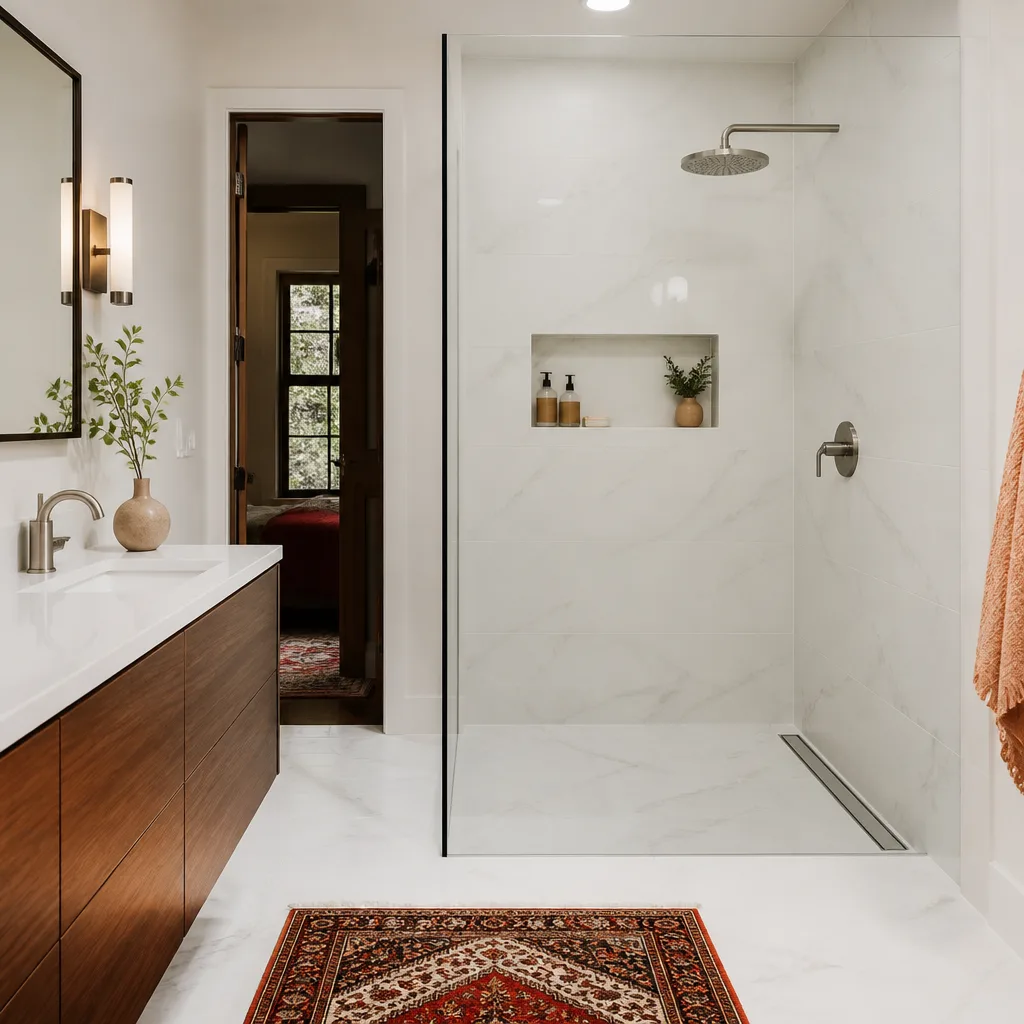
- Finish level. Cabinet line, countertop material, and flooring choice swing the number more than any other single item. We install KraftMaid and Wellborn cabinetry, Cambria and Silestone countertops, and we’ll give you a written line-item price before ordering a single board.
Every repair and every full build includes the Penhallow written price up front, the 365-Day Done Right Promise in writing, and a real arrival window we actually hit. The number you see before work starts is the number on the invoice. Not an estimate range. Not a ballpark. The number.
DIY or Call Us?
There are a few things you can safely check yourself before picking up the phone. Walk the exterior and look at the seam where the addition meets the original house. Look for caulk that’s cracked or pulling away, siding that’s warped, or any point where two different materials meet and the joint looks open. Check your crawlspace vents if you have a pier-and-beam ADU. Blocked vents are a cheap fix and a common cause of rot.
What you should not do is open up a wall that’s been wet. If that wall cavity has been holding moisture, you could be exposing yourself to mold spores that have been building up for a year or more. We wear respirators and run containment when we do that work, and we check for structural compromise before any demo starts. If the problem you’re seeing is a door that won’t close, the fix might be a foundation shim or it might be a rotted sill plate. You won’t know which until somebody gets under the floor.
Call (325) 225-5429 and tell us what you’re seeing. We’ll ask about the signs, give you an honest read on what’s likely happening, and schedule a free estimate at a time that works. Trevor Nash has been doing this in Austin for well over a decade, and the crew shows up in uniform, background-checked, and on time.
FAQs

In Austin’s climate, a well-built Ameristar addition or ADU will typically give you 40 to 60 years before the envelope needs major work, but the roof tie-in and the foundation often need attention at the 20-to-25-year mark. That’s where the Texas heat and the clay soil do their work. Call (325) 225-5429 and we’ll inspect yours and tell you where you are in that lifespan.
Most of the time the failure is isolated: a roof tie-in, a door opening, one section of rotted sill plate. We repair what’s actually broken and leave what’s still sound. Full rebuilds are only called for when the foundation has moved beyond shimming or the framing has widespread water damage. We’ll give you a written price either way before any work starts.
A full addition replacement usually takes 8 to 16 weeks depending on the scope and the City of Austin permitting process. An ADU build runs 4 to 8 months from permit to final inspection. We’ll give you a defined arrival window and a written schedule at the estimate visit, and we clean the jobsite every day before we leave.
There are no Ameristar “factory parts” for the structural systems on these units, so what we stock on the truck is the same trade-grade material we use on our full remodels: framing lumber, flashing, sealants, and fasteners rated for Austin code. If your Ameristar unit needs a specific door or window match, we’ll order the correct Therma-Tru or James Hardie product to spec at the estimate. Estimates are free, and a real person answers the phone 24/7 at (325) 225-5429.
Written by Trevor Nash, Owner, Penhallow Remodeling Austin at Penhallow Remodeling Austin, serving Austin and nearby areas.


