








Free written scope consultation - allowances, timeline, and change-order rules on paper before a single trade is scheduled
CWS Kitchen Remodeling: The Austin Owner’s Guide
If you own a CWS kitchen and a cabinet door is sagging, a drawer slide has given out, or that soft-close hinge no longer catches, we can match the hardware and get it installed. Most CWS kitchen component repairs in Austin run between $150 and $850 depending on what failed and whether we’re replacing a single hinge or an entire drawer bank. We keep common CWS replacement hardware on our trucks, so in most cases a technician can handle the repair in one visit.
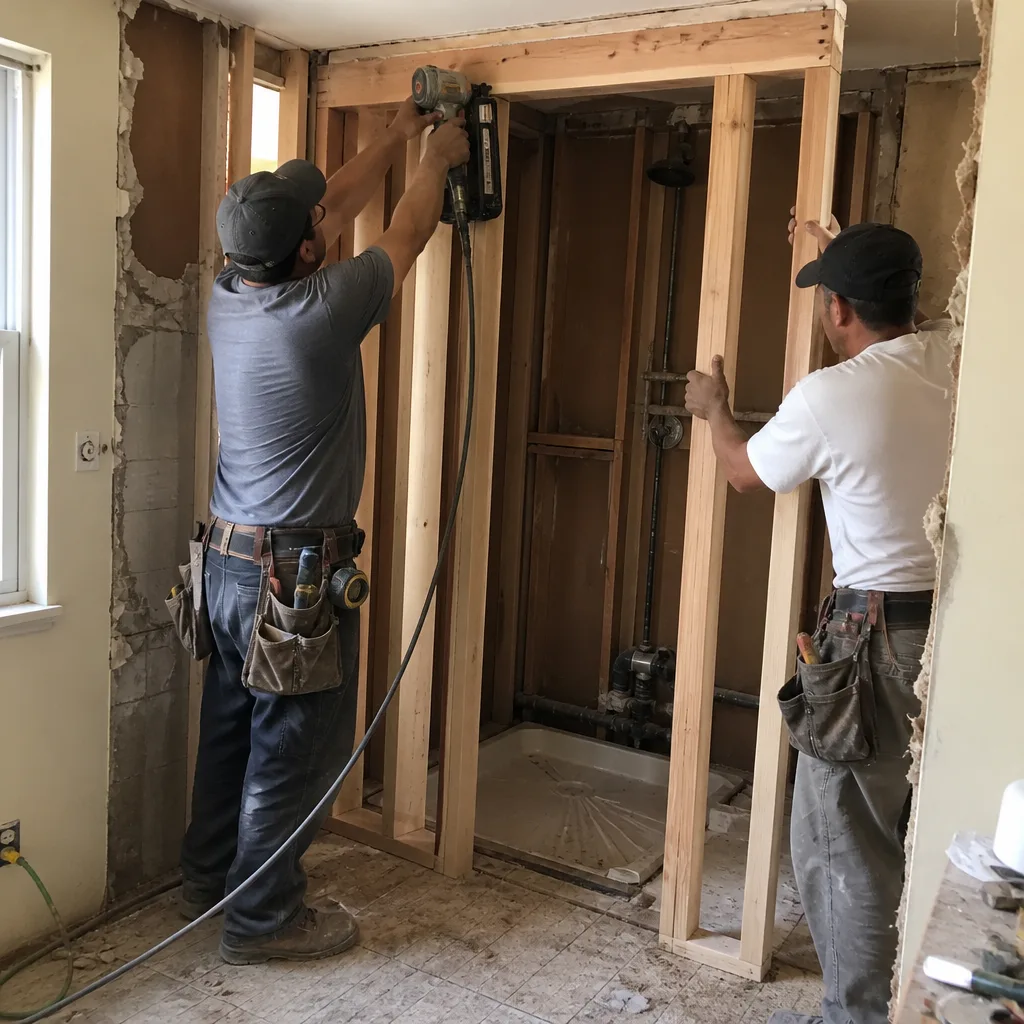
Usually homeowners discover a failing CWS part the way you notice most things in a kitchen: a door starts drifting when you open it, a drawer grinds instead of glides, or a hinge pin finally gives up after ten thousand open-and-close cycles. CWS cabinetry is designed in Germany with a product line covering multiple series, and the mounting plates, boring depth, and hinge cup dimensions are not always a match for standard American hardware. That’s the thing we see most often: someone buys a universal hinge from the big box store in Austin, installs it, and the door hangs crooked because the cup depth was off by three millimeters.
Which CWS Models This Applies To

CWS manufactures several kitchen lines, including the Classic, Trend, Studio, and Select series, and each series was produced in different model years with slightly different hardware specifications. The fastest way to identify your exact CWS hardware is to open a cabinet door and look for the stamped code on the hinge arm or slide body. You’ll typically see a three-digit number followed by letters, like 110° or 165° hinge references, which tells us the opening angle and mounting style. If the stamp is worn, we measure the cup diameter and the boring depth with a caliper right on site.
The OEM versus aftermarket decision matters more with CWS than it does with, say, a standard overlay cabinet from an American manufacturer. CWS uses a 35mm cup bore as standard, like most European cabinetry, but their clip-on mounting plates are designed for their specific system, and an aftermarket plate often fits loosely. For hinges, we generally recommend OEM CWS replacements because the tolerance matters. For drawer slides, a quality aftermarket equivalent from a brand like Blum or Grass often works as long as the extension rating and length match. The compatibility gotcha worth knowing: CWS soft-close mechanisms are spring-loaded dampers embedded in either the hinge cup or the slide. If you hear a click at the end of travel but the door still slams, the damper has failed, not the hinge body. Replacing the entire hinge unit when the damper is the actual problem will fix the symptom, but not without spending more than you needed to.
Penhallow Remodeling Austin is an independent service provider, not affiliated with CWS, but we stock CWS-compatible replacement parts because we’ve run into enough Austin kitchens with the same failure points that it made practical sense. We also stock hardware for KraftMaid, Cambria, and Silestone product lines. The second checkable specificity with CWS: their drawer box hardware from the mid-2000s running changes used undermount slides with a lower lateral load rating than the later models. If your CWS kitchen was installed before 2012 and the pot-and-pan drawer is the one sagging, that’s typically why.
Styles & brands we work with







Signs Your CWS Kitchen Remodeling Is Failing
- A cabinet door that won’t stay closed without a strong push. The soft-close damper has lost its spring tension or a hinge leaf has bent out of alignment. You’ll notice this first on the same doors you open most often: under-sink, dish storage, and the cabinet where the coffee beans live.
- A drawer that starts shaving metal or plastic shavings onto the contents below. That’s an undermount slide with a worn ball-bearing carriage or a broken nylon roller. In Texas kitchens, the dust from dry heat works into the track and accelerates that wear faster than in more humid climates.
- A drawer that tilts downward when you pull it more than halfway out. The slide’s intermediate channel has lost its connection to the cabinet-side rail. This is a failure of the clip or the retention tab, and in CWS models from certain years it’s easier to replace the slide assembly than to track down the one small tab that broke.
- A corner cabinet door that rubs against the frame or its neighbor when opening. The hinge screws have stripped in the chipboard or the door has absorbed enough Austin humidity-cycling moisture that it’s no longer square. Either way, we see it most often on lower corner doors and large pantry pull-outs.
- A soft-close mechanism that clicks before the door reaches the cabinet. The damper’s internal piston has failed. You’ll still get the strong close from the spring, but that harsh last inch is what puts stress on the frame and eventually loosens the mounting screws in the box itself.
See the difference
 Before
 After
After Before
 After
After Before
 After
AfterReplacement Cost & What’s Included

For an Austin CWS kitchen, single hinge replacements with labor land between $150 and $300, while replacing a drawer slide assembly runs $250 to $450 per drawer depending on load rating and slide length. A full drawer bank rebuild, which includes new slides, mounting plates, and any needed box bracing, typically runs $600 to $850. If you’re replacing all the hardware on a heavily used kitchen with twenty-plus doors and drawers, figure $1,500 to $3,000 for the complete job, parts and labor included.
Every number we give is a written price before the work starts. That means the parts cost, the labor rate, and the exact scope are on paper before we touch a screwdriver. If the drawer we repaint around the job or the hinges we replace fail within the 365-Day Done Right Promise, we come back and fix it at no charge. That’s not a verbal commitment; it’s in writing on every single job we do.
For full kitchen remodeling in Austin, the project price range is broader: $14,000 to $45,000 depending on whether you’re replacing cabinet fronts and hardware or gutting the room down to studs and reworking the layout. Cabinet installation alone runs $4,000 to $13,000. Countertop installation lands between $2,000 and $6,500, and a full backsplash runs $800 to $2,500. The number moves based on the cabinet line (stock, semi-custom, or custom), the countertop material (laminate, quartz, or natural stone), and whether any plumbing or electrical has to relocate. We write all of it down before the first day of demolition.
DIY or Call Us?
Replacing a single hinge on a CWS cabinet is within reach for a careful homeowner who has a drill, the right-sized bit, and patience with euro-style screws. What we’d advise against doing yourself is rebuilding a drawer box or re-drilling a hinge cup. If you strip the chipboard on a CWS box, there’s no easy repair: you’re looking at filling and re-drilling the bore, and when that fails, the box has to come out. We see it regularly in Austin kitchens where a well-intentioned weekend project turned a $25 hinge problem into a $400 box replacement.
The drawer slides are safe to inspect and clean, and keeping the track free of debris helps. But if you’re dealing with a cabinet that’s pulling away from the wall, a base that’s out of level, or drawers that are scoring each other, that’s beyond the part; it’s a structural issue with the installation. Same thing with electrical or plumbing work inside a kitchen remodel: pull your own permits and run your own wiring only if you’re qualified. Otherwise call a licensed contractor. Call us at (325) 225-5429 and we’ll give you a real price, not a maybe.
FAQs
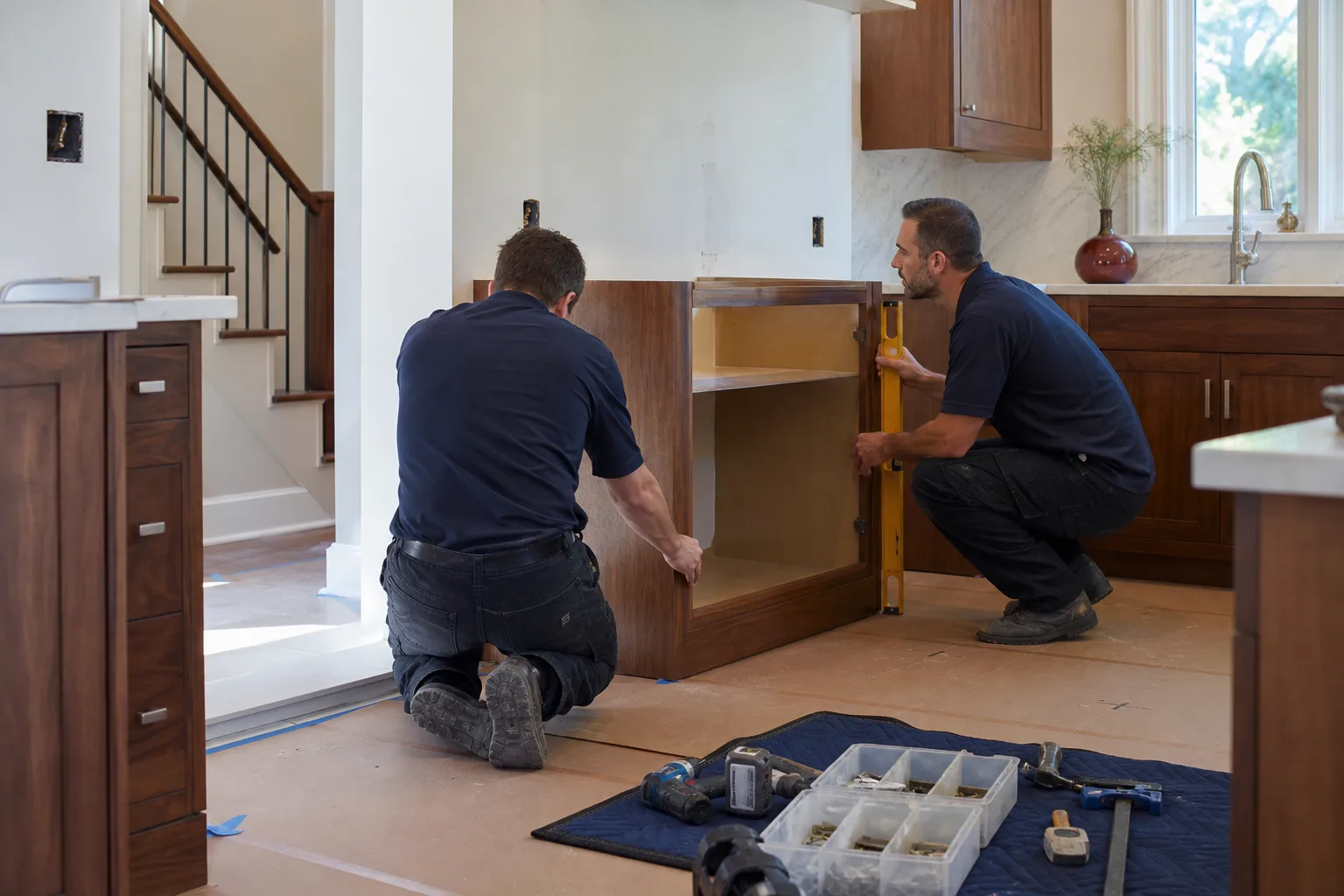
In dry, air-conditioned Austin interiors, CWS hinges and slides typically last 12 to 20 years depending on frequency of use, with soft-close dampers failing earlier than the mechanical components. Homes with high humidity swings, like those with intermittently used kitchens or poor ventilation, see earlier wear on the moving parts.
Some can, yes: hinges with loose screws can sometimes be re-secured into fresh wood or a threaded insert, and slide tracks can be cleaned and re-lubricated. A stripped cup bore or a broken damper piston can’t be fixed at a parts level, so replacement is the practical way to go. Call (325) 225-5429 and we’ll tell you which camp yours falls into.
Most single-hardware repairs are done in one visit that lasts 30 to 90 minutes depending on what we’re replacing. A full drawer bank rebuild with new slides and bracing takes us half a day. If the job involves pulling a cabinet box out and squaring the frame, plan on a full day.
We keep common CWS-compatible hinges, slides, dampers, and mounting plates on our trucks so most one-off repairs can be handled same visit. If your hardware is from an older or less common CWS series, we’ll source it and have it in hand before we schedule the repair. Tell me what you need, I’ll tell you what it costs, and we’ll go from there.
Written by Trevor Nash, Owner, Penhallow Remodeling Austin at Penhallow Remodeling Austin, serving Austin and nearby areas.


