







Free written scope consultation - allowances, timeline, and change-order rules on paper before a single trade is scheduled
CGI Home Additions & ADU: The Austin Owner’s Guide
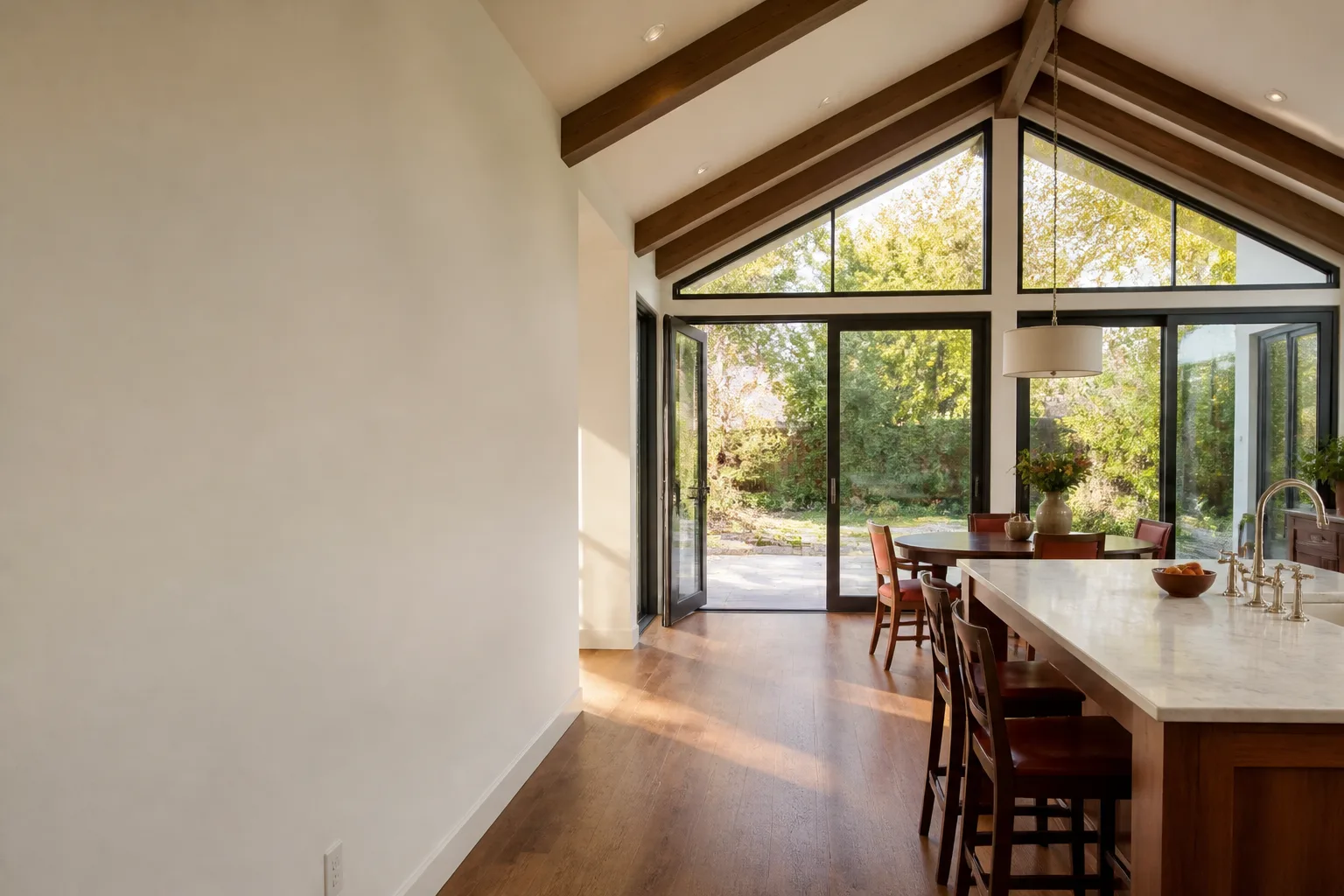
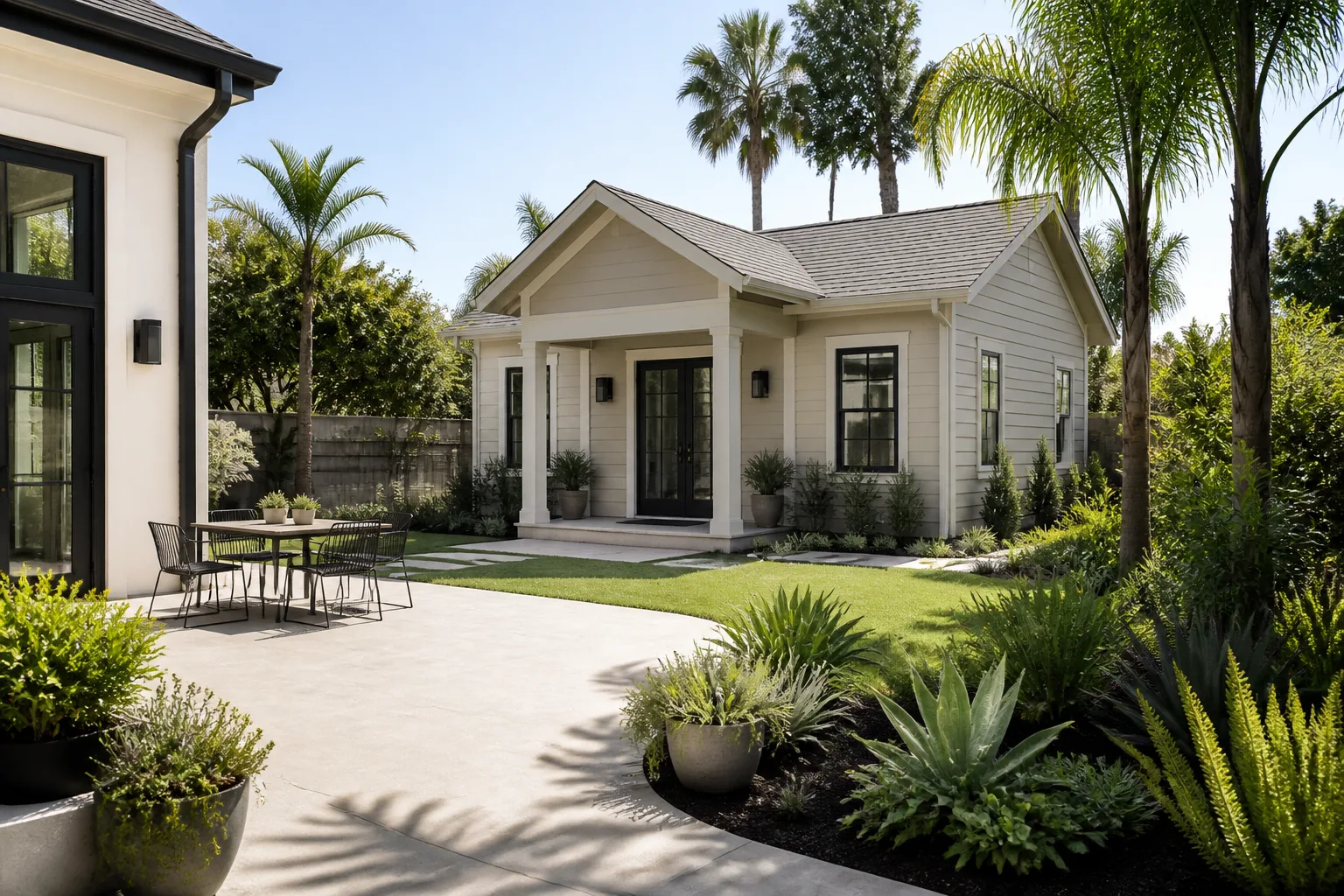
CGI home additions and ADU projects in Austin typically run $45,000 to $130,000 for a full addition, and $90,000 to $220,000 for a detached accessory dwelling unit, depending on square footage, foundation type, and finish level. Most homeowners realize they need help when a space stops being useful: a room that bakes in the Texas sun, a garage conversion that flooded during a spring storm, or an ADU shell that has sat unfinished because a previous contractor walked off the job. We step in to assess what is structurally sound, what needs replacing, and what the finished project will actually cost before we pick up a hammer.
Which CGI Models This Applies To
CGI is not a single product line. In Austin, when a homeowner says “CGI,” they are usually referring to one of two things: a prefabricated or panelized addition system, or a home that was originally built with CGI windows and doors and now needs the addition to match. The compatibility gotcha here is real: a 2000s-era CGI window unit will not match a modern CGI line in frame depth or glass coating, and an addition that looks patched together takes a hit on resale value in neighborhoods like Allandale or Crestview, where buyers notice that kind of thing.
Before we quote any CGI-related addition, we check three things. First, the existing framing: older CGI panel systems used specific stud spacing that affects how a new roofline ties in. Second, the window and door schedules: if the addition needs matching CGI units, we verify the exact model number on the existing glass etching, not just the brand. Third, the foundation: much of Austin sits on expansive clay soil, and a slab addition in East Austin behaves differently than one on limestone in the hill country west of town. On OEM versus aftermarket, we use manufacturer-specified components when a structural or warranty issue is in play. For trim, hardware, and interior finishes, quality aftermarket material from brands like Therma-Tru or James Hardie does the job without the OEM markup. Penhallow Remodeling Austin is an independent contractor and is not affiliated with CGI.
Styles & brands we work with







Signs Your CGI Home Addition or ADU Is Failing
- Doors that stick or refuse to latch in summer. Expansive clay soil under an Austin slab moves with moisture. When an older addition was not pinned or graded correctly, door frames twist, and no amount of sanding fixes the underlying movement.
- Water staining at the roofline where the addition ties into the original house. The transition flashing between old and new roof planes is the most common failure we see. Texas downpours find any gap, and by the time the ceiling shows a stain, the decking underneath has been wet for months.
- Cracks that run diagonally from a corner of a window or door and keep widening. A hairline crack is normal settling. A crack you can fit a quarter into means something is moving that should not be.
- The ADU never got finished, or got finished wrong. This is a different kind of failure, but it is just as real. We have walked into detached units in South Austin where the electrical was never permitted, the mini-split was undersized for the square footage, and the bathroom vent terminated into the attic. The fix is a gut-and-redo, not a patch.
- Utility bills that climb every summer while the room stays uncomfortable. Older CGI panel connections and window flashing lose their seal over time. Air leaks at the sill plate and top plate force the AC to run constantly, and the addition still never cools below 78 in August.
See the difference
 Before
 After
After Before
 After
After Before
 After
AfterReplacement Cost & What’s Included
For a full home addition in Austin, a realistic installed budget is $45,000 to $130,000. That range covers everything from a 250-square-foot bump-out with basic finishes to a 900-square-foot primary suite with a full bath. An ADU, built as a detached unit with its own utility connections, runs $90,000 to $220,000. The three biggest cost drivers are foundation work (a new slab on clay soil costs more than a pier-and-beam tie-in), the electrical and plumbing scope (an ADU with a full kitchen and bath carries a meter and sewer tap that a simple studio does not), and the finish level (builder-grade cabinets versus KraftMaid or Wellborn cabinetry, laminate counters versus Silestone or Cambria quartz).
Every number we give you is a written price before work starts. Not a range we whisper in the walkthrough and inflate after demo day. The written price covers parts, labor, permits, and disposal. And every project carries our 365-Day Done Right Promise: if something fails in the first year, we come back and fix it at no charge. In writing, on every job.
DIY or Call Us?
The honest answer: most of this is not DIY territory. Tying a new roofline into an existing structure, running electrical to code, and setting a slab on Austin clay all require permits and inspections. Where a homeowner can help is in the planning. Walk the space and note where the sun hits hardest in July. Check your HOA covenants if you are in a neighborhood like Mueller or Circle C. Measure the actual usable square footage, not the footprint of the old patio you are enclosing. Then call us. Trevor Nash has been working Austin homes for well over a decade, and the crew has seen every way a previous addition goes wrong. Tell me what you need, I’ll tell you what it costs, and we’ll go from there. Call (325) 225-5429 and we will come look, give you a written number, and leave you with a plan you can hold us to.
FAQs

A properly built addition or ADU should last 40 to 60 years on the structure, with the roof and HVAC needing replacement on shorter cycles in Texas heat. The weak points are almost always the transitions: where the new slab meets old, where the new roof ties into existing, and where windows and doors flash to the walls. Get those details right and the structure will outlast the finishes.
Sometimes. If the failure is a flashing leak, a settling corner, or an undersized HVAC unit, the fix is targeted and the cost falls well below a rebuild. If the issue is structural movement from poor soil preparation, or unpermitted electrical work buried in the walls, a partial repair just delays the full correction and often costs more in the long run. We will tell you which situation you are in and price the repair and the replacement separately so you can decide with real numbers. Call (325) 225-5429 for an assessment.
A simple bump-out addition typically takes 8 to 12 weeks. A full detached ADU with kitchen, bath, and separate utility drops usually runs 5 to 8 months, with permitting time in the City of Austin adding several weeks on the front end. We give you a written schedule with a defined arrival window for every phase, not a “we’ll fit you in when we can.”
We source everything. That includes matching window and door units, structural connectors, roofing materials, and interior finishes. Because Penhallow Remodeling Austin draws from established trade lines including KraftMaid, Cambria, and Silestone, the materials behind our guarantee are as solid as the promise itself. You will not be asked to chase down parts or coordinate deliveries. That is our job, and it is included in the written price.
If you are looking at a CGI addition or ADU in Austin that is failing, unfinished, or just needs a real number attached to it, call (325) 225-5429. We will walk it with you, tell you what it costs, and put it in writing before any work starts.
Written by Trevor Nash, Owner, Penhallow Remodeling Austin at Penhallow Remodeling Austin, serving Austin and nearby areas.


