







Free written scope consultation - allowances, timeline, and change-order rules on paper before a single trade is scheduled
American Standard Kitchen Remodeling: The Austin Owner’s Guide
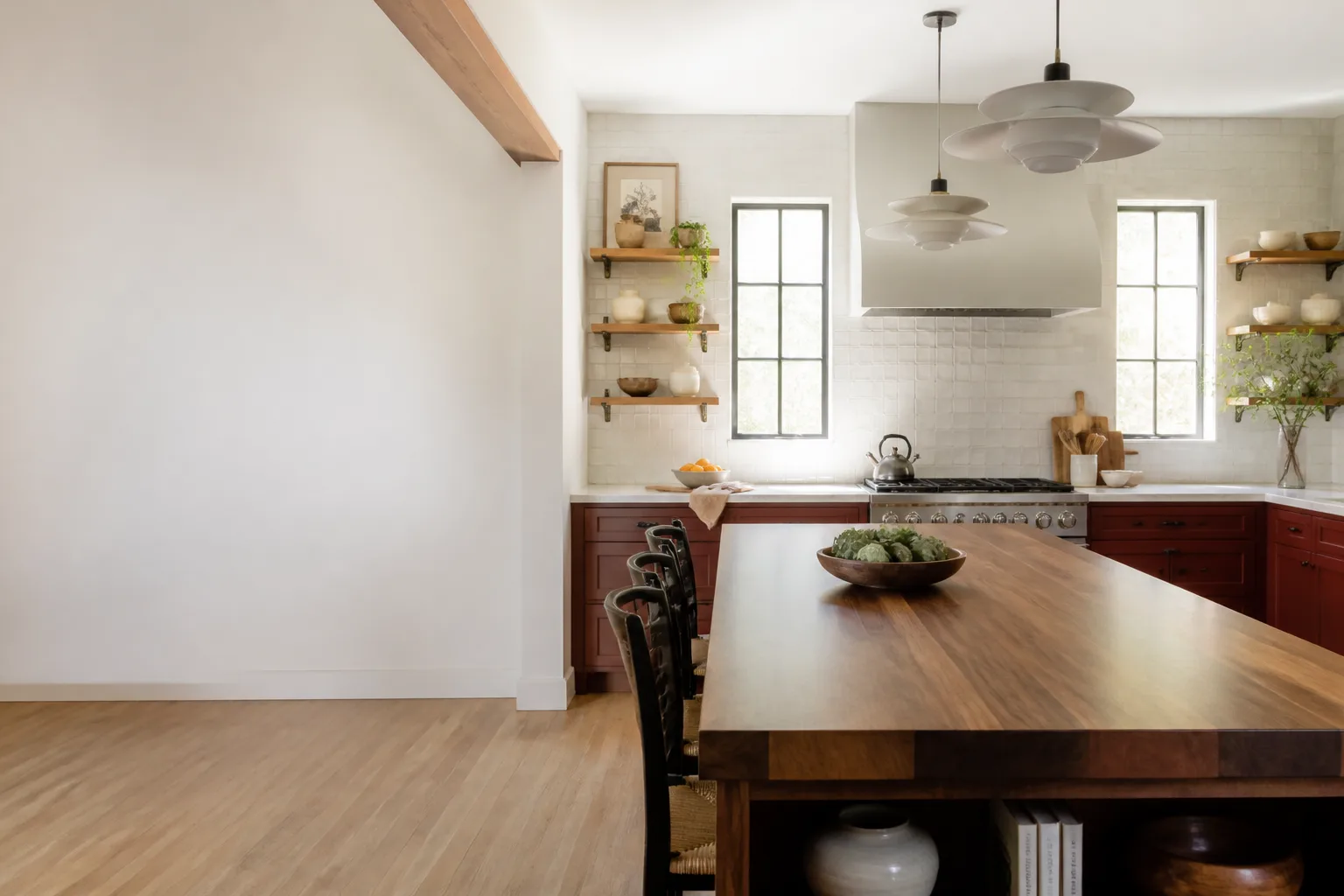
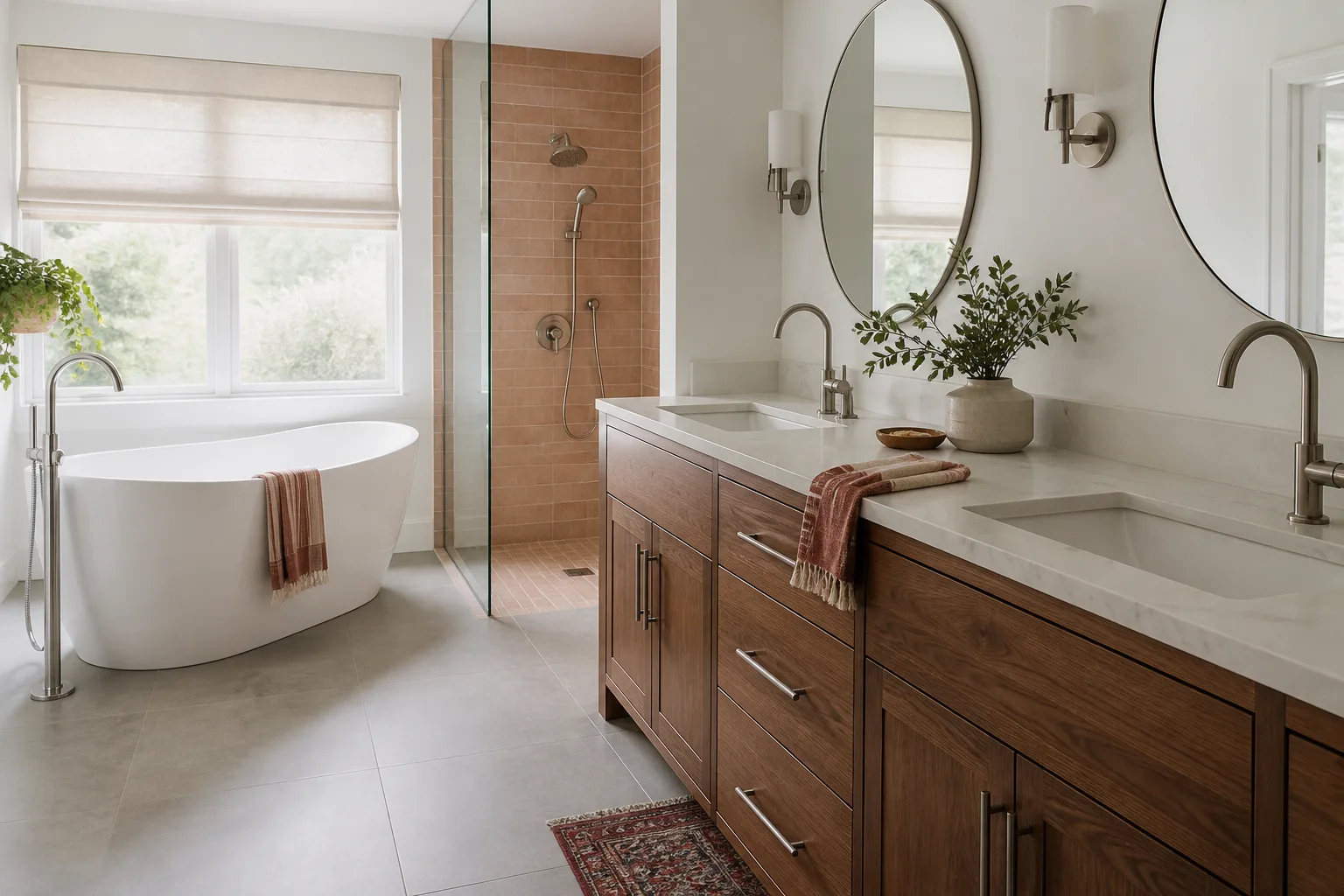
If your American Standard kitchen has hit the point where the cabinets are sagging, the countertop is cracked, or the layout no longer works for how you actually cook, a full kitchen remodel in Austin typically runs $14,000 – $45,000 installed, depending on cabinet line, countertop material, and whether you’re moving plumbing or walls. Most Austin homeowners call us after living with a kitchen that’s been failing in slow motion for a year or two: a drawer front that won’t stay on, a sink that’s rusted through, or a floor that’s started to cup from one too many Texas humidity swings. We handle American Standard-compatible kitchen remodels from the first tear-out to the final walkthrough, and we put the price in writing before a single cabinet gets pulled.
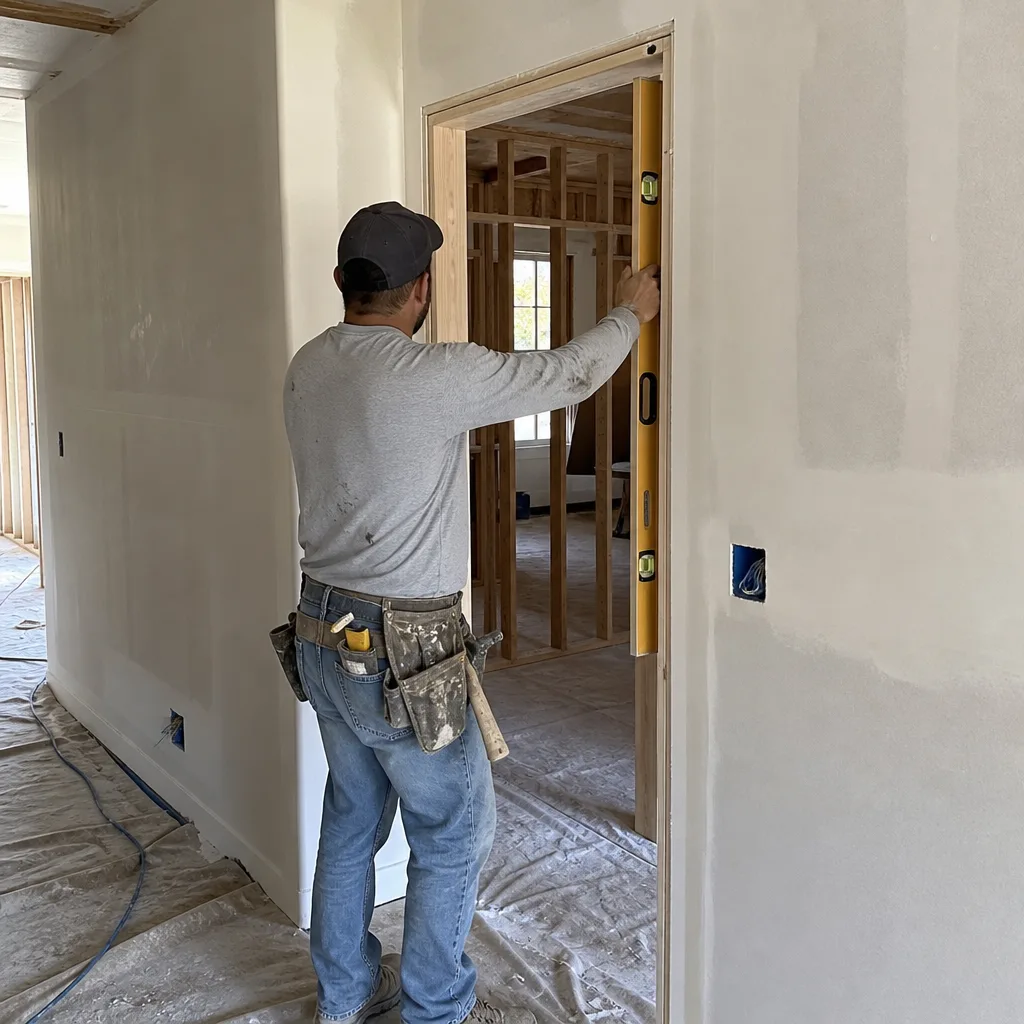
Here’s the thing about American Standard kitchens in Austin specifically: the materials were never the weak point. The install was. We see it all the time in homes from Round Rock to Buda. Cabinets that were fine out of the box but got hung out of level so the doors bind. Countertops that cracked along the seam because the substrate underneath flexed. If you’re looking at a kitchen that’s failing part by part, the question isn’t just what to replace. It’s whether the next install will hold up better than the last one. That’s where we come in.
Key takeaways:
- American Standard kitchen remodels in Austin run $14,000 – $45,000, with written pricing before we start.
- Most failures we see aren’t the American Standard product itself. They’re the installation behind it.
- Every job carries our 365-Day Done Right Promise in writing, on top of whatever warranty the materials carry.
Which American Standard Models This Applies To

American Standard built its name on plumbing fixtures, but plenty of Austin homes from the 1990s and early 2000s have American Standard cabinetry and kitchen components too. The compatibility question comes down to how the original kitchen was assembled. We work with American Standard kitchen cabinetry, sinks, faucets, and the associated countertops and hardware across their residential lines. If you still have the original paperwork, the model number is usually on a sticker inside a drawer box or on the back of a lower cabinet frame. No paperwork? Measure the cabinet boxes. American Standard stock cabinetry from that era typically ran in 3-inch width increments, while custom builds don’t. That tells us a lot about what we’re working with before we even quote the job.
One compatibility gotcha we run into in Austin: American Standard cabinet lines from the late 90s used a specific hinge bore pattern that doesn’t match today’s soft-close Blum or Grass hinges without a retrofit plate. It’s a small thing, but if you try to swap hinges yourself, you’ll drill new holes and the door won’t sit right. We carry retrofit plates on the truck because this comes up often enough in remodel work around South Congress and Windsor Park.
As for OEM versus aftermarket: for American Standard cabinets, there isn’t a robust aftermarket parts channel like there is for, say, Moen cartridges. Cabinet components are mostly built-to-fit. That means the real decision is whether the existing cabinets are worth refacing or whether full replacement makes more sense, and that’s a conversation we’ll have with you honestly based on door alignment, box condition, and what a new layout would cost. We also stock and install KraftMaid and Wellborn cabinetry when replacement is the better call, and Cambria or Silestone countertops when the existing stone has failed beyond repair.
Styles & brands we work with







Signs Your American Standard Kitchen Remodeling Is Failing
- Cabinet doors and drawers won’t stay aligned. Austin’s clay soil shifts more than people realize, and over a decade or two that movement telegraphs into cabinet frames. If you’ve adjusted the same hinge three times in a year, the box itself is likely out of square and the fix is more than hardware.
- Countertop seams are separating. Natural stone and quartz don’t flex, but the plywood substrate underneath does. When moisture from Austin’s humid months swells the substrate, the seam opens up. If you can catch a fingernail on the seam, water is getting in and the substrate is already compromised.
- The sink rim is pulling away from the counter. American Standard sinks are durable, but the silicone seal between sink and counter has a lifespan, and in a kitchen that sees real daily use, that’s about 8 to 12 years. When the seal fails, water gets under the rim and into the cabinet below.
- Soft-close hardware has gone stiff or loud. The dampers in soft-close slides wear out, especially in a busy kitchen. It’s not a safety issue, but it’s often the first sign that the overall cabinet hardware is past its service life.
- Floor tile near the sink or dishwasher is cracking or hollow-sounding. This one matters. It usually means water has been getting under the floor for a while, which in an Austin kitchen is often tied to a failed sink seal or a leaky dishwasher line. The floor doesn’t just need a patch, the source of the water needs to be found first.
See the difference
 Before
 After
After Before
 After
After Before
 After
AfterReplacement Cost & What’s Included

In Austin, a full American Standard kitchen remodel runs $14,000 – $45,000. The spread comes down to cabinet line, countertop material, whether you’re keeping the existing footprint or moving plumbing and appliances, and how much of the old flooring and substrate has to come out. A smaller galley kitchen with stock cabinets and laminate counters lands near the lower end. A larger kitchen with custom cabinets, Cambria quartz, and a new island with plumbing moves toward the top of that range.
Every quote we write includes removal of the old cabinets and countertops, installation of the new ones, haul-away of debris, and the warranty. We don’t hand you a labor number and tell you to figure out materials yourself. The price you get before we start is the price on the invoice at the end. And every job carries our 365-Day Done Right Promise: if something fails inside the first year of normal use, we come back and fix it at no charge. That promise is in writing on every project, right next to the price.
Quick cost reference for Austin:
- Small kitchen remodel: $9,000 – $20,000
- Full kitchen remodel: $14,000 – $45,000
- Cabinet installation (labor and materials): $4,000 – $13,000
- Countertop installation: $2,000 – $6,500
- Backsplash installation: $800 – $2,500
- Kitchen island installation: $3,000 – $10,000
DIY or Call Us?
Here’s where I level with you, the way Trevor Nash would at a walkthrough: you can safely inspect the failure yourself. Pull a drawer, look at the slide, check whether the cabinet box is still square with a level. You can identify where the water is coming from. What we recommend against is trying to reset a heavy countertop or tear out and re-hang cabinets on your own. Cabinets are heavy, and when one comes off the wall wrong, it takes the tile backsplash and sometimes the drywall with it. The same goes for pulling a sink that’s been glued to the counter for a decade. It’s not worth a back injury or a cracked countertop.
If you’ve got a failing American Standard kitchen and you’re not sure whether it’s a small repair or a full remodel, call us and we’ll look at it. Tell me what you need, I’ll tell you what it costs, and we’ll go from there. That’s how we’ve always worked it. The number is (325) 225-5429, and a real person answers.
FAQs
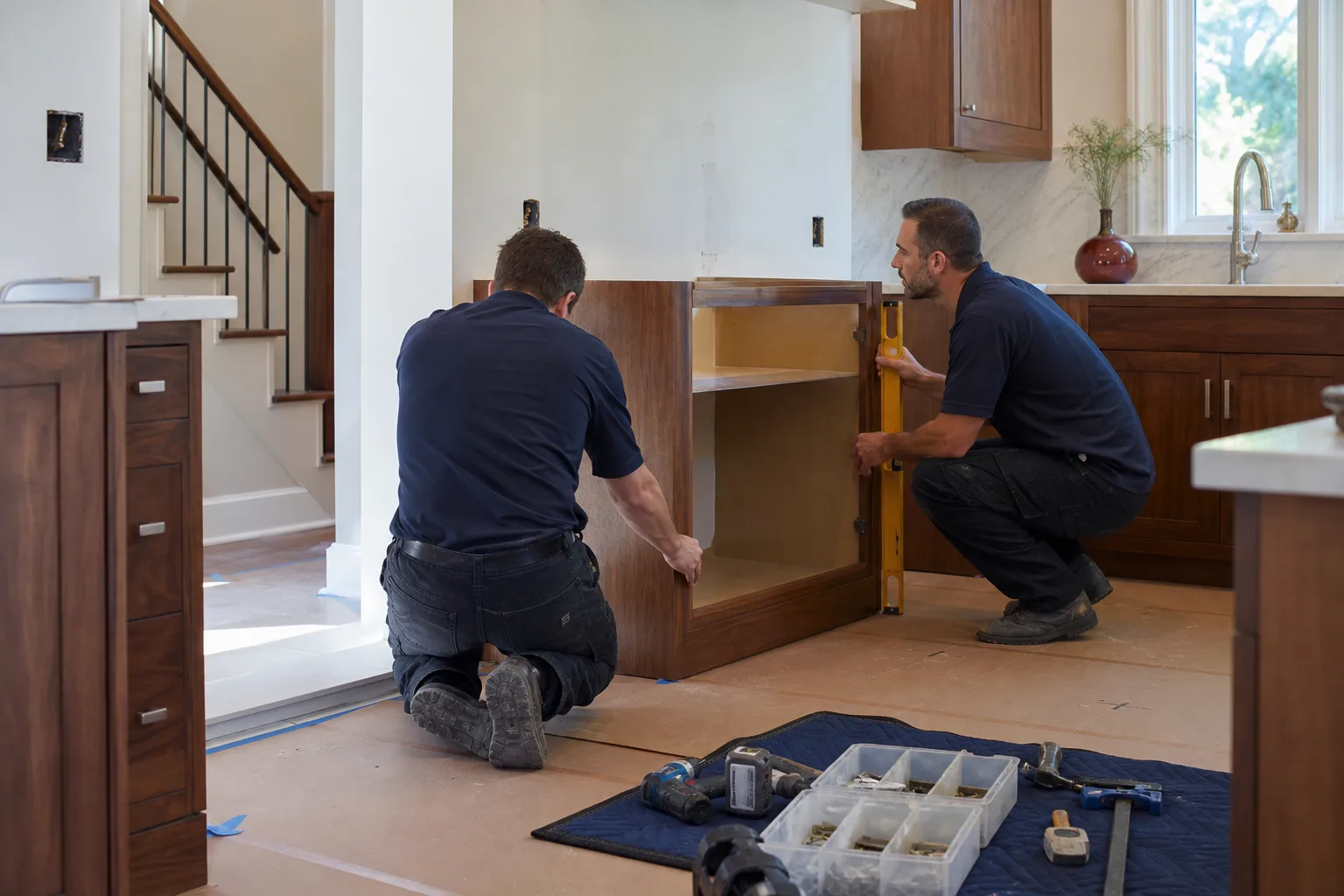
Done right, a kitchen remodel in Austin should give you 15 to 25 years of daily use before the cabinets, counters, and hardware need major attention again. The catch is that the original install quality matters more than the brand. We’ve pulled out 8-year-old kitchens that were hung wrong, and we’ve seen 30-year-old kitchens with good bones that just needed new doors and hardware.
Sometimes, yes. If the cabinet boxes are still square and the issue is hinges, drawer slides, or door alignment, we can replace the hardware and reface the doors for a fraction of a full remodel. But if the boxes themselves are water-swollen or out of square, repair becomes false economy. We’ll tell you which camp yours fall into, and we’ll show you the numbers for both paths before you commit to anything.
A full kitchen remodel typically takes 4 to 8 weeks from tear-out to final walkthrough, depending on scope. Smaller refreshes where we’re keeping the footprint and just replacing cabinets, counters, and backsplash can run 2 to 3 weeks. Countertop fabrication adds lead time, usually 1 to 2 weeks. You’ll get a real schedule in writing before we start, and we stick to it.
We keep the common failure points on the truck: hinge retrofit plates, soft-close dampers, drawer slides, and the silicone and sealants we use on every install. We are not affiliated with American Standard, so for genuine OEM plumbing parts we order direct from supply houses, but for cabinetry and structural work, we have what we need to get the job done right. We also work with KraftMaid, Cambria, and Silestone product lines when replacement materials are the better path.
Ready to get a real number for your American Standard kitchen remodel? Call (325) 225-5429 for a free estimate. A real person answers, and we’ll get Trevor or one of our background-checked, uniformed technicians out to your home on a schedule that works for you.
Written by Trevor Nash, Owner, Penhallow Remodeling Austin at Penhallow Remodeling Austin, serving Austin and nearby areas.


